Last updated November 22, 2026
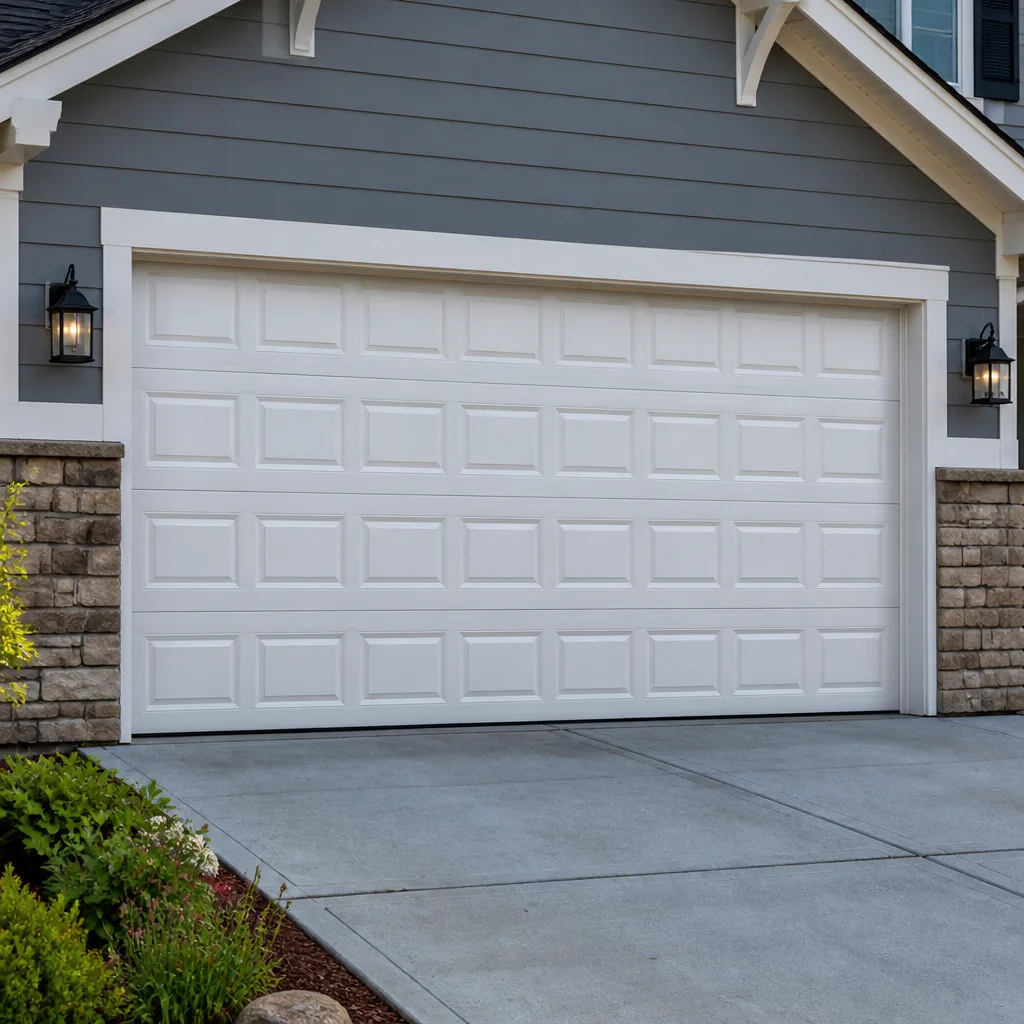 Raised-panel steel
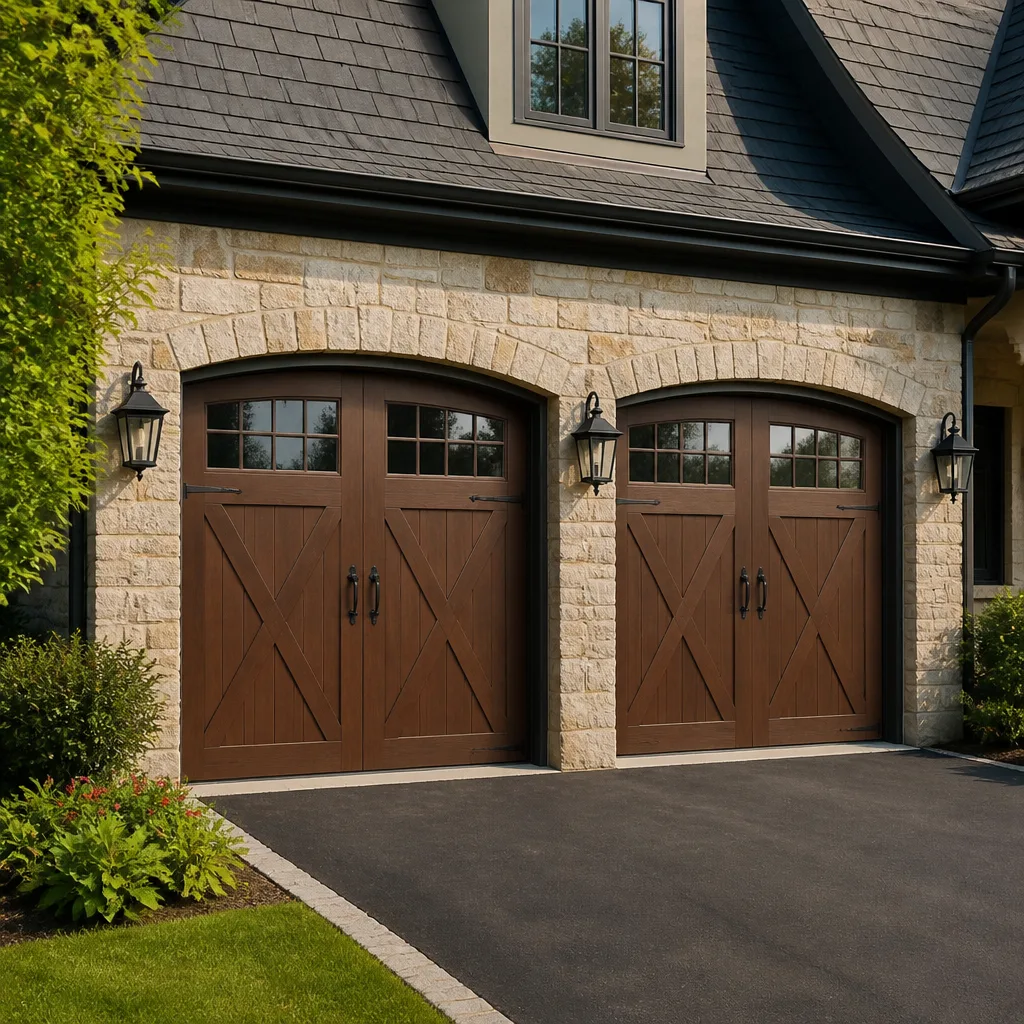 Carriage house
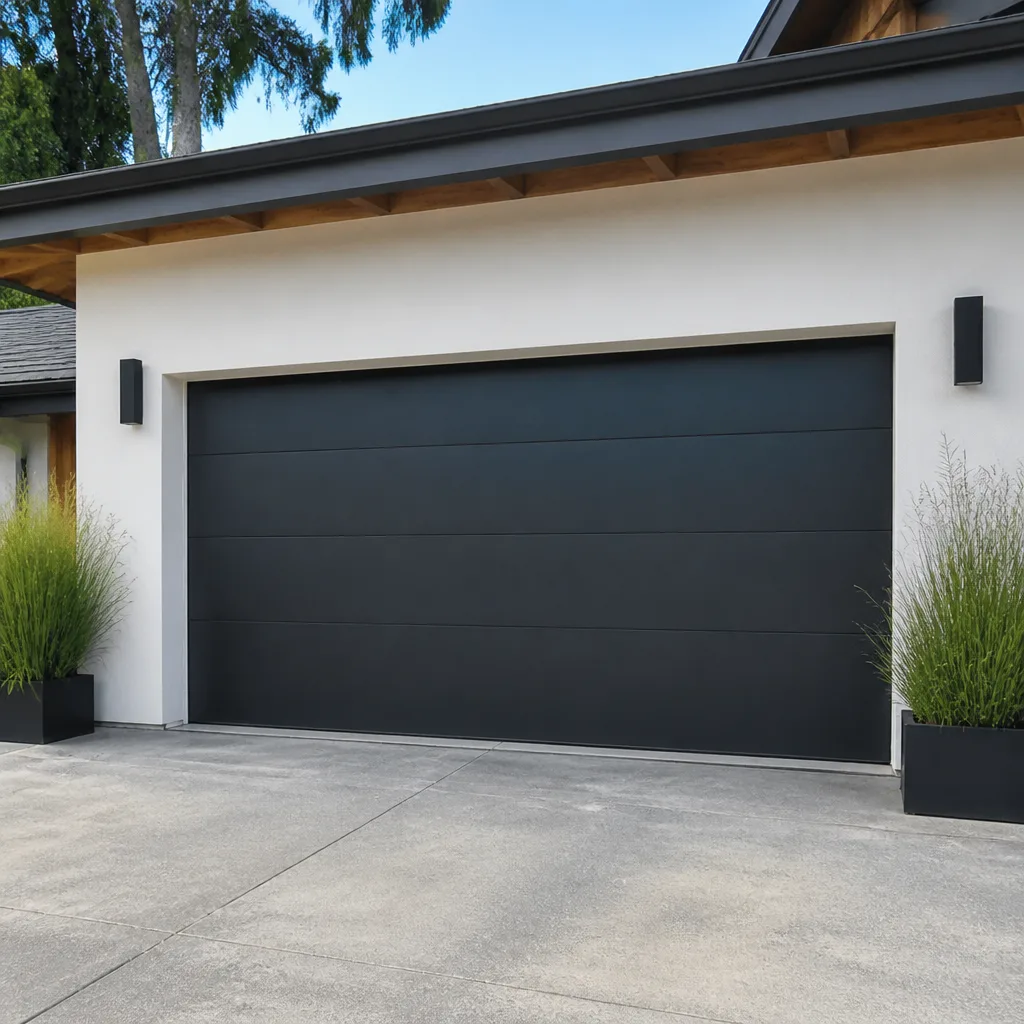 Modern flush
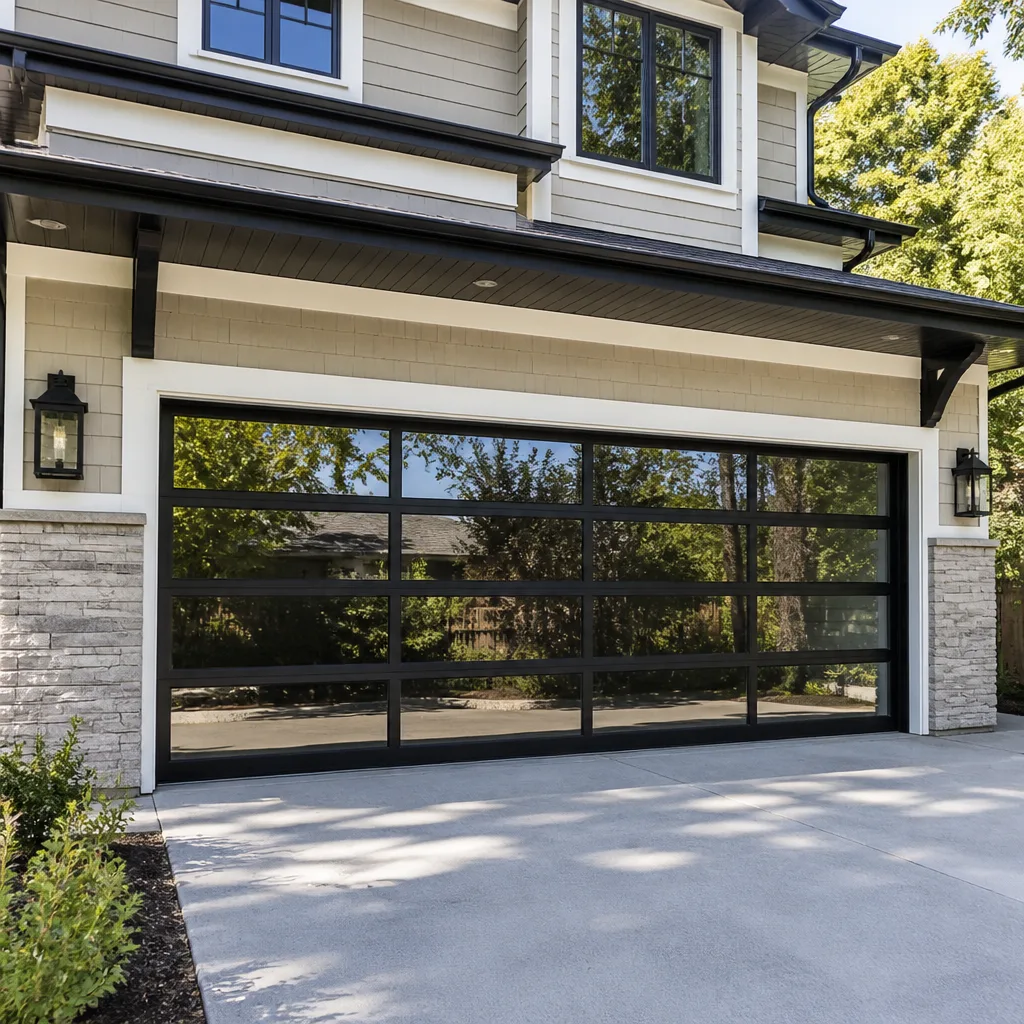 Full-view glass
 LiftMaster openers
 Chamberlain openers
Full 25-point door and opener safety check with every visit - springs, cables, rollers, tracks, and your LiftMaster or Chamberlain opener included
You get a price before we start. It does not change when the pro arrives.
Get your free estimateGarage Door Warning Signs: A Pembroke Pines Homeowner’s Reference Guide
A garage door that hesitates for two seconds before moving isn’t “a little slow.” It’s telling you the spring tension is off, the opener is compensating with excess force, and you may be weeks away from a failed lift. Most doors don’t fail without warning. They grind, squeal, pop, rattle, or reverse before they quit. In Pembroke Pines, those signals get dismissed as normal quirks until a spring snaps at 7 a.m. or the door won’t open the morning after a storm. This guide breaks down what each sound means at the component level, which visual clues homeowners miss, and how to read opener behavior as a diagnostic tool. You’ll finish knowing exactly when to watch and when to call.
Quick Answer
The main warning signs of a failing garage door are unusual noises (grinding, squealing, popping, rattling), a door that moves unevenly or reverses partway, slow opener response, visible cable slack or rust, and a bottom seal that no longer sits flush. In Pembroke Pines, humidity and year-round sun accelerate wear on springs and seals, so these signs tend to show up earlier than homeowners expect. Ignoring them rarely saves money; it usually moves a small repair into a full replacement.
Styles & brands we work with
- Raised-panel steel
- Carriage house
- Modern flush
- Full-view glass
- LiftMaster openers
- Chamberlain openers
Table of Contents
- What Your Garage Door’s Sounds Are Telling You
- Visual Red Flags Homeowners Walk Past Every Day
- Reading Opener Behavior Like a Diagnostic Tool
- Pembroke Pines-Specific Warning Signs: Humidity, Sun, and Grit
- The “It’s Still Working” Trap
- Torsion Spring Warning Signs You Should Never Test Yourself
- A Seasonal Walk-Around Checklist for Pembroke Pines Homes
- When to Call vs. When to Wait
What Your Garage Door’s Sounds Are Telling You
Every garage door has a sound signature. A healthy door is a low, smooth hum with a soft click at the end of travel. When that signature changes, the change itself is the diagnostic. Here’s what each sound typically maps to at the component level.
- Grinding. Metal-on-metal friction, usually from dry or worn rollers, a torsion bar binding in its bearings, or a bent track rubbing the roller stem. Grinding that appears suddenly after a storm often means a track has shifted.
- Squealing. High-pitched squeals come from unlubricated hinges, roller bearings, or the torsion spring coils rubbing against each other. Squealing is annoying but often a maintenance sign rather than a failure sign.
- Popping. A sharp pop, especially in cold weather or after the door has sat closed for hours, is often a spring coil shifting on the torsion bar. Repeated popping from a torsion spring is one of the signals to take seriously; a spring under load can let go without further warning.
- Rattling. Loose hinge bolts, a panel fastener backing out, or a bottom bracket working loose. Rattling that gets louder over weeks usually indicates hardware loosening under vibration from a compensator: a door out of balance puts extra stress on the opener and every fastener.
- Clicking at startup. On LiftMaster and Chamberlain openers, a single click before the motor engages is often the internal gear or the travel-limit switch starting to stick.
In our experience, the sound most homeowners dismiss is popping. It’s the one we take most seriously. If you hear popping and the door still opens, don’t test it repeatedly to see if it will happen again. That’s the moment to stop and call.
Visual Red Flags Homeowners Walk Past Every Day
The most expensive failures we’ve seen start as something a homeowner could see from the driveway but didn’t know to look for. Here’s what to check on a walk-around, and what each clue means.
Uneven gap at the bottom seal
A bottom seal that touches the floor on one side and shows daylight on the other is showing you one of two things: the door is out of level, or the panels have twisted. Either way, the opener is pulling harder to close the door than it should, and you’ll eventually get a reversal or a stripped gear.
Asymmetric cable tension
Look at the two lift cables running down each side of the door. They should mirror each other. One cable visibly slack, or one side noticeably tighter, means the door is not lifting evenly and one cable is carrying the load for both. This imbalance accelerates wear and is a real safety issue.
Rust streaking on the torsion bar
Rust lines running along the horizontal bar above the door usually point to a bearing plate that’s stopped turning freely. The bar is rubbing instead of rotating. Left alone, the bar can wear a groove into the plate, and the spring sags.
Panel or spring discoloration
A darkened, oil-stained patch where the spring coil sits is often the first visible sign of a spring that’s losing tension. It doesn’t always precede a failure by much, but a discolored spring is worth a professional look.
Hinge and roller condition
Rusty hinges, cracked nylon rollers, and rollers that are visibly off their stems are all signs the door’s hardware is tired. Replacing hinges and rollers is a modest job compared to what a seized roller can do to a track.
Reading Opener Behavior Like a Diagnostic Tool
The opener is a diagnostic instrument. How it responds tells you which subsystem is likely failing. Here’s how to read the three most common behaviors.
- Slow response from the wall button (more than a second or two). Usually a logic board or wall-control issue, not a mechanical one. On Genie and LiftMaster units, a wall button that lags often points to a failing wall station or a short in the low-voltage wire.
- Door reverses partway down. Almost always either a misaligned safety sensor or excessive downward force from a spring that’s lost tension. The opener is fighting the door and giving up. Don’t increase the force setting to “fix” this; it masks the real problem.
- Door reverses partway up. Often a spring problem, a bind in the track, or an opener force setting that’s been raised too high to compensate. A door that reverses on the way up is a genuine warning sign that the whole system is out of balance.
One thing we see homeowners do that works against them: adjusting the force or limit settings on the opener as a workaround. That may get the door to close for another few weeks, but it’s the equivalent of driving with a warning light taped over. The door still isn’t balanced, and the opener is doing work the spring should be doing. When the spring finally goes, the opener usually goes with it.
If you’re noticing any of these opener behaviors, our garage door opener repair service covers LiftMaster, Chamberlain, Genie, and other major brands, and we can often diagnose the issue on the first visit.
Pembroke Pines-Specific Warning Signs: Humidity, Sun, and Grit
Garage doors in Pembroke Pines don’t wear out the way they do in Chicago or Denver. The failures we see here are driven by two local factors and one regional one.
Mineral deposits on springs
South Florida’s humid air holds moisture against the spring coil. Over time, that moisture deposits a white, chalky film on the coils. That residue is a sign the metal is corroding, and corrosion shortens a spring’s working life. A spring with visible white buildup is on borrowed time.
Swollen and separated bottom seals
Standard rubber seals absorb humidity and can warp or pull away from the aluminum retainer. In Pembroke Pines’s summer humidity, a seal that looks tight in January can sag and gap by August. A gap at the bottom is a wind-driven rain entry point and a security gap.
UV-bleached panels
Year-round sun bleaches steel and aluminum panels, and more importantly, UV exposure makes the paint and protective finish brittle. On steel doors, that leads to paint flaking and eventually rust at the panel seams. On composite or wood-faced doors, it’s worse. Faded color is a cosmetic issue; chalking finish and rust at the seams are structural. Both are worth a look before summer when sun exposure peaks.
Grit and sand in the tracks
Windblown grit and yard debris collect in the floor tracks. That grit grinds into the nylon rollers and wears them down fast. Cleaning the tracks and rollers periodically is one of the cheapest ways to extend a door’s life here. Use a rag and a stiff brush, not a hose: water in the tracks accelerates rust.
Wind is the one regional factor worth a specific mention. South Florida storm-season wind and the wind gusts that accompany afternoon thunderstorms can shift track alignment on a door that was already a little loose. If your door rattles more after a storm than before, check the track and rollers first.
The “It’s Still Working” Trap
Functional is not the same as safe. This is the single most important thing to understand about garage doors, and it’s the one homeowners in Pembroke Pines, and everywhere, most often get wrong. A door that opens and closes on command can still be dangerous.
Here’s why. A torsion spring on a standard garage door stores enough energy to filet an arm or hand if it fails under load. The spring isn’t dangerous when it’s intact. It’s dangerous when it’s compromised and you can’t see it. A spring can be down on tension, discolored, or partially cracked for weeks and the door will close every time until the morning it doesn’t.
There are two signs that a spring is compromised and shouldn’t be tested:
- The door feels unusually heavy when you lift it by hand (only attempt this with the opener disconnected, at the middle of the door, and with a helper), or it won’t hold its position when you let go.
- You hear popping from the spring area, or the spring area shows rust, discoloration, or a visible gap between coils.
If either applies, stop. Don’t run the opener to see if it will still lift. Don’t try to “work it loose.” Springs are not a DIY project, and this is one of the few jobs where a mistake has a real chance of sending someone to the hospital. A trained technician can set and relieve spring tension safely; a homeowner can’t safely improvise it.
For a full account of what spring repair involves and what it costs, our garage door repair page covers the details.
Torsion Spring Warning Signs You Should Never Test Yourself
Torsion springs are the most dangerous component on the door, and the one where warning signs are most important. Here’s what to watch for, without ever attempting to diagnose a spring by touching it.
- Visible gap between coils. Look up at the spring from the side. If you can see daylight between coils in a section where coils should be touching, the spring has lost tension. Don’t try to close the gap.
- Oil staining or dark discoloration. A wet or darkened patch on the spring usually means the steel is failing internally. A compromised spring can let go without any further warning.
- The door won’t stay up on its own. Disconnect the opener, lift the door to hip height, and let go. A balanced door holds. A door that slams down has springs that are down on tension. Never stand under the door when you do this.
- The opener sounds strained and the door moves slowly. The opener is doing the spring’s work. This shortens the opener’s life and is a sign the springs need attention.
- Popping or pinging sounds. A coil is shifting under tension. Stop operating the door.
The safest thing you can do if any of these apply is to leave the door closed and call. In our experience, a spring that’s been failing for weeks can fail on the next cycle, and the door shouldn’t be run again until the spring is replaced.
A Seasonal Walk-Around Checklist for Pembroke Pines Homes
A two-minute walk-around every few months catches most of what early spring failures look like. Here’s the checklist.
- Listen. Run the door once and listen for grinding, popping, squealing, or rattling. Note any change from the last time you listened.
- Watch the bottom seal. Look for a gap at the floor on either side. In humid summer months, this is where it shows up first.
- Look at the cables. Both lift cables should hang evenly. One slack is a red flag.
- Check the spring area. Look for rust streaks, white mineral buildup, oil stains, or a visible gap between coils.
- Clean the floor tracks. Brush out grit and debris. Don’t wash them with water.
- Test the safety sensors. Wave an object through the beam and confirm the door reverses. Both sensors should have steady indicator lights.
- Close and reopen the door by hand. With the opener disconnected, lift the door to the midpoint. It should move smoothly and hold position. If it’s heavy or it slams, stop and call.
We suggest doing this after each season, and after any storm that rattled the garage door. A door that survived a storm can still have moved a track half an inch.
Common Mistakes to Avoid
- Adjusting the opener force setting to compensate for a heavy door. This is the single most common mistake we see. It makes the door work for now and hastens failure for later. The springs are the problem, not the opener.
- Ignoring a bottom-seal gap because the door “still closes.” In Pembroke Pines’s summer humidity, a gap at the bottom lets rain and warm air into the garage and, eventually, into the house. It’s a small fix that prevents larger ones.
- Lubricating the tracks. Track grease traps grit and makes things worse. Lubricate the springs, hinges, and roller stems, but leave the tracks clean and dry.
- Using WD-40 or a silicone spray on the spring as a “fix” for popping. Some sprays attract dust; others don’t address the underlying tension problem. A popping spring needs a professional look, not a spray can.
- Assuming a door that opens every time is safe. Functional is not the same as safe, especially with torsion springs. A door that opens smoothly can have a compromised spring for weeks before it fails.
- Putting off a spring replacement until it snaps. A spring that’s showing warning signs will eventually snap. Replacing it on a scheduled visit is simpler and less stressful than a weekend emergency.
- Letting an untested brand get diagnosed by trial and error. If your opener is a Chamberlain, Genie, Clopay, or LiftMaster system and the tech on the phone doesn’t recognize the model, you’re paying for someone’s education. Ask before you book.
See the difference
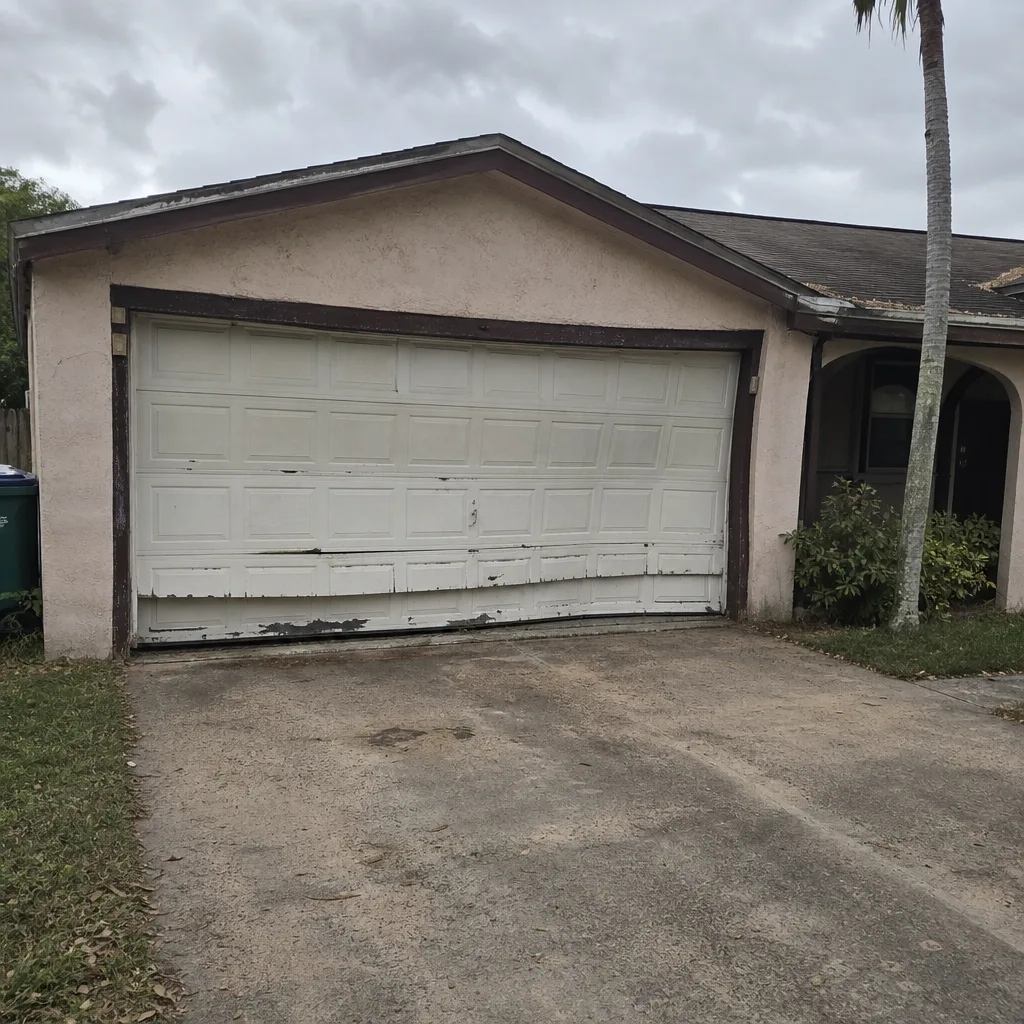 Before
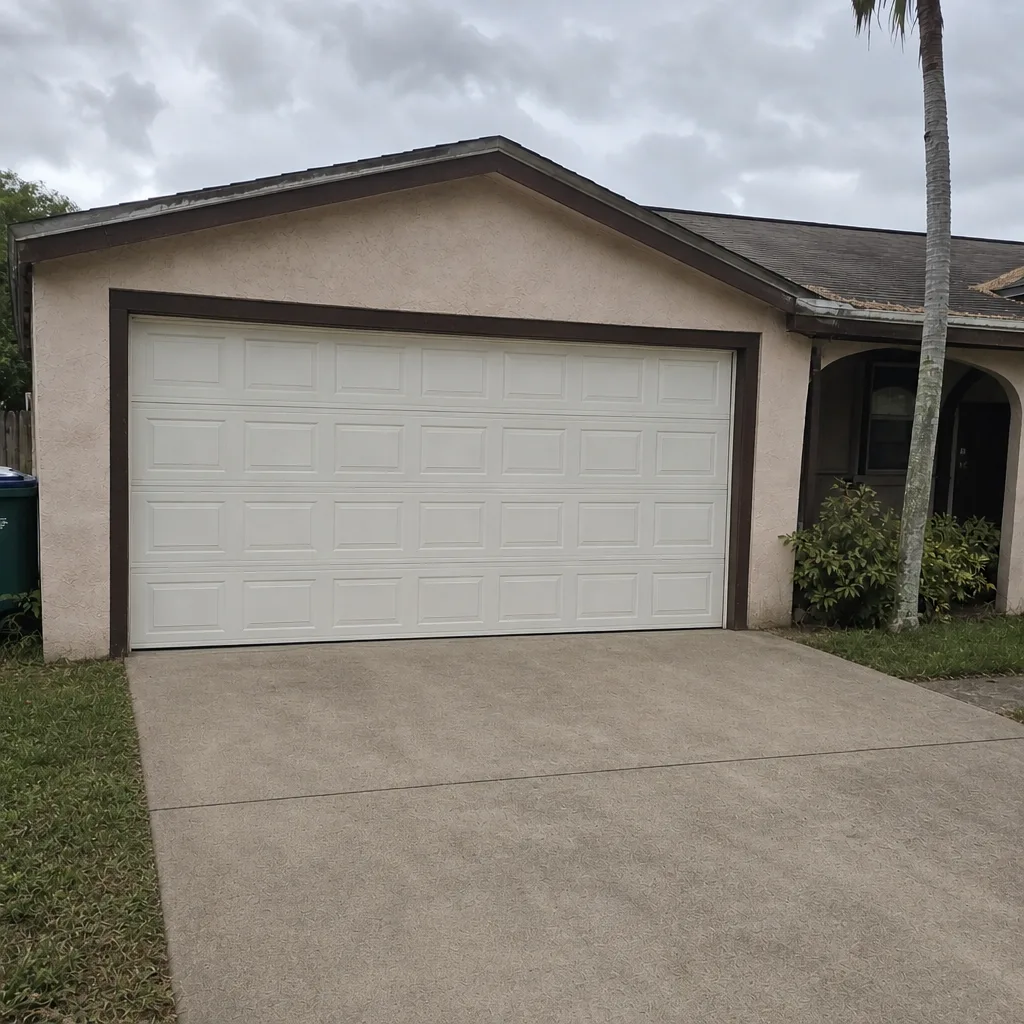 After
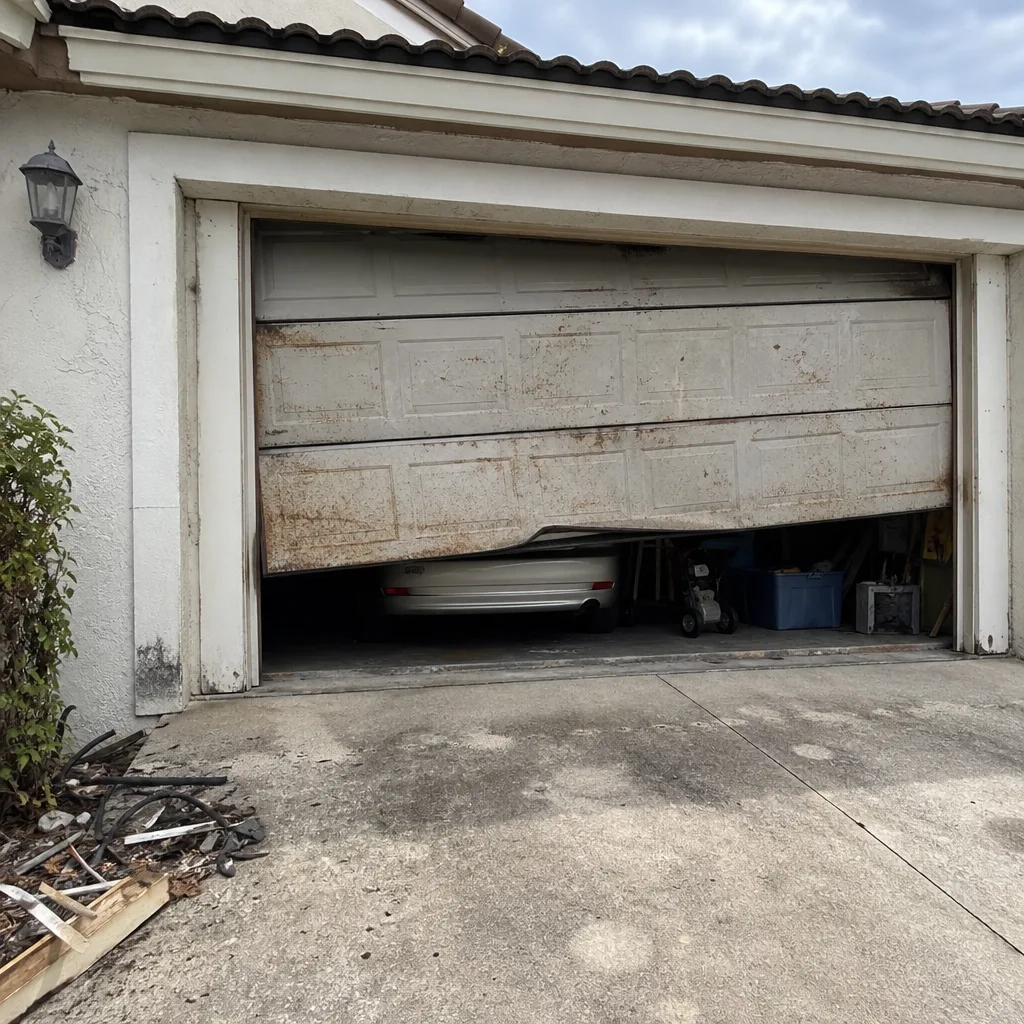 Before
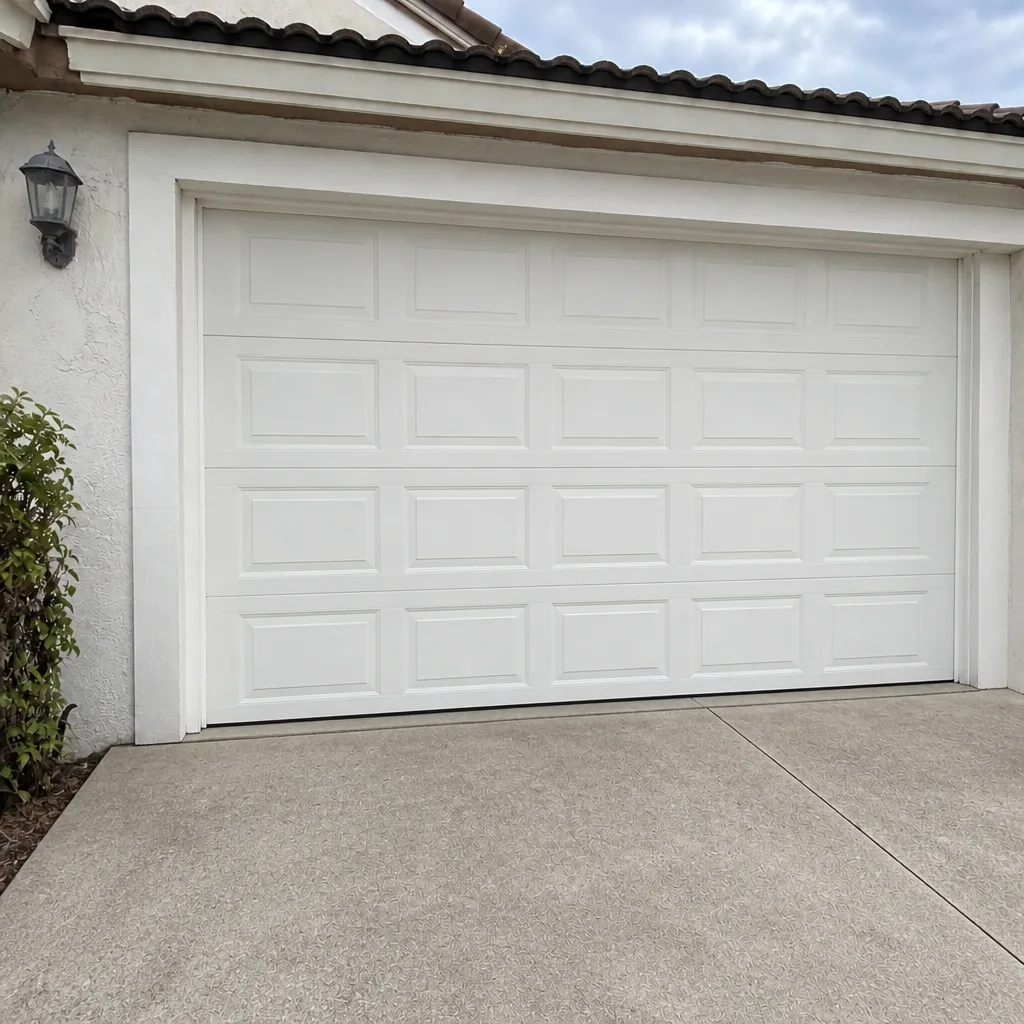 After
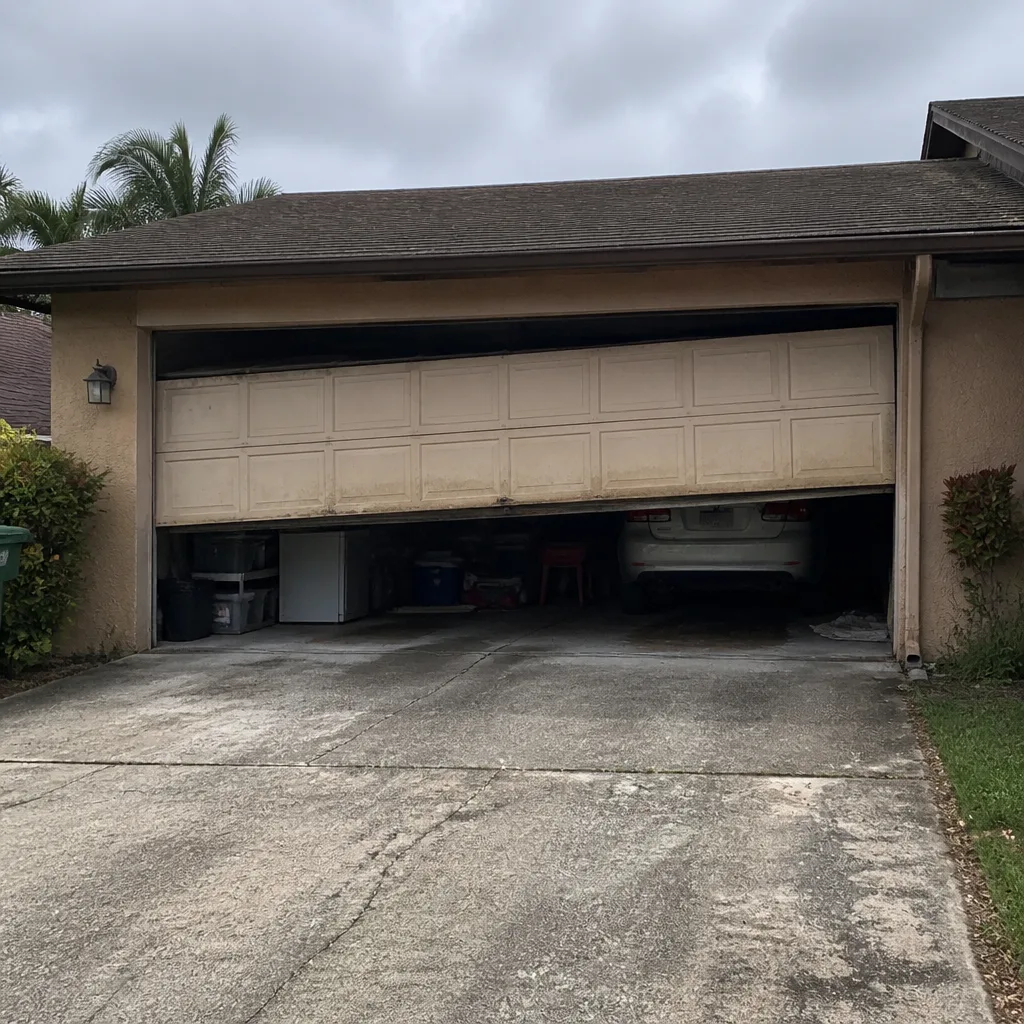 Before
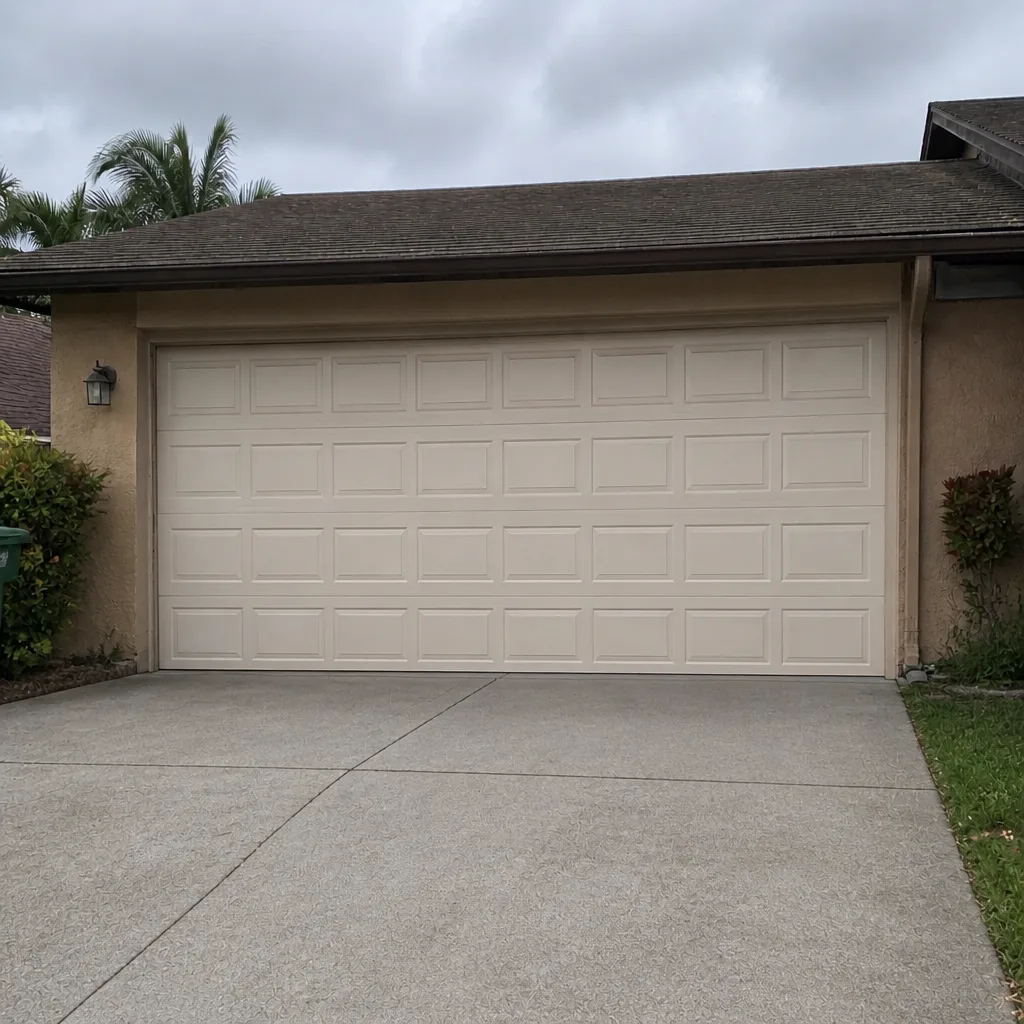 After
When to Call a Professional
Call a professional when the door shows any of the following: a popping or pinging sound from the spring area; a door that won’t hold position when opened by hand; a visible gap between spring coils, oil staining, or rust streaks; a door that reverses on its own; a broken lift cable; or a door that moves unevenly enough to notice from the driveway. Also call when the opener lags or struggles to lift, when the door has just survived a storm and rattles more than before, or when you’ve heard any of these signs for more than a week. Waiting rarely saves money; a $40 hardware fix and a $300-plus spring replacement are very different costs, and the gap is usually a matter of timing, not luck. Pembroke Pines Garage Door Repair Pros offers free estimates in Pembroke Pines – call (844) 793-5158.
Frequently Asked Questions
Spring replacement in Pembroke Pines typically runs $180 – $340 for a single torsion spring, and a matched pair is usually replaced together at roughly twice that. The figure depends on the spring type, the door’s weight, and any related repairs like cables or bearings. The written estimate you agree to before work begins is the final price, not a starting point that creeps up on the invoice. Call (844) 793-5158 for an exact quote; estimates are free.
Yes, for most stuck-door calls within Pembroke Pines we can offer same-day service during the week, with emergency availability outside standard business hours. Call early in the day and we can usually get a technician to you the same afternoon. Call (844) 793-5158 for exact timing.
No. The written estimate we give you before any work starts is the price you pay. If a technician uncovers an additional problem once the door is apart, you get a revised written estimate to approve before any additional work continues. That’s how quotes work across every job we do, whether it’s a spring replacement, an opener repair, or a new installation. Call (844) 793-5158 for a free estimate.
Yes. The local professionals we connect you with are state-licensed and insured as their state requires, and our technicians have up to 15 years of experience. We work on the eight major residential brands, including LiftMaster, Chamberlain, Genie, Clopay, Amarr, Wayne Dalton, Craftsman, and Raynor, so the technician arrives already familiar with the system in your garage. Call (844) 793-5158 to book.
There’s no safe way to put a number on it, but a spring that’s showing signals (popping, discoloration, a door that won’t hold its position) should be replaced rather than watched. In our experience, a compromised spring can fail on the next cycle, and the cost of a spring replacement plus potential damage to the opener or door is considerably higher than a scheduled repair. Don’t run the door if any of those signs are present. Call (844) 793-5158 for an assessment.
Torsion springs are usually replaced as a matched pair. When one fails, the other has been under the same load for the same amount of time and usually fails within a few weeks. Replacing just one means paying for two visits and two labor charges instead of one. We’ll explain the trade-offs on the estimate; the final call is yours. Call (844) 793-5158 for a free estimate.
The Bottom Line
Garage doors in Pembroke Pines fail gradually, not suddenly. The grinding, the popping, the slow reversal, the gap at the bottom of the seal, the white residue on the spring: these are the door asking for attention. The two things worth remembering are that a working door can still be unsafe, and that the warning signs are almost always visible or audible before the failure. Take two minutes every few months to walk around and run the door. If something has changed, call before it becomes urgent. Pembroke Pines Garage Door Repair Pros handles repair, opener repair, spring repair, and new garage door installation on one call, and we can often diagnose on the first visit.
If your door is sending signals you’re not sure how to read, call (844) 793-5158 for a free estimate in Pembroke Pines. If you’re just starting your research, our Pembroke Pines Garage Door Repair Pros homepage covers the full range of what we do.
Written by the team at Pembroke Pines Garage Door Repair Pros.