Last updated November 22, 2026
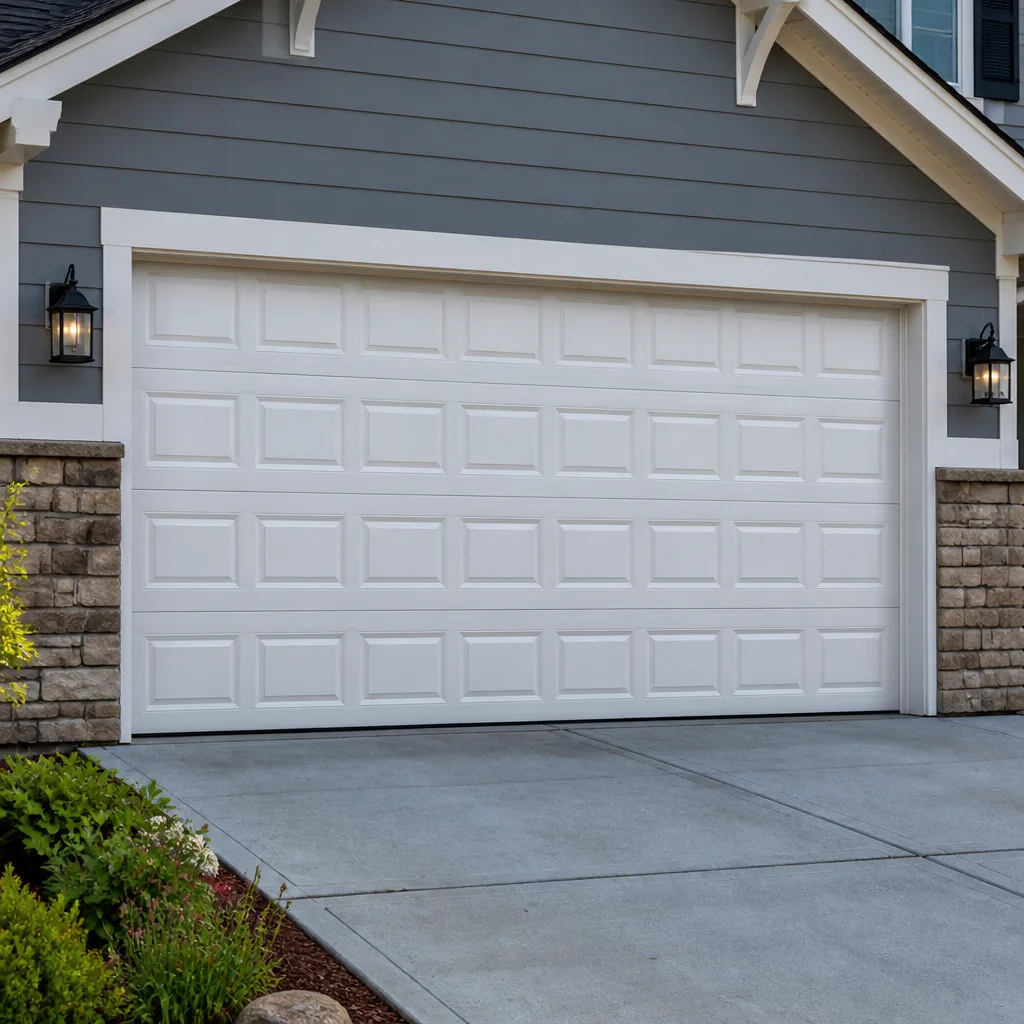 Raised-panel steel
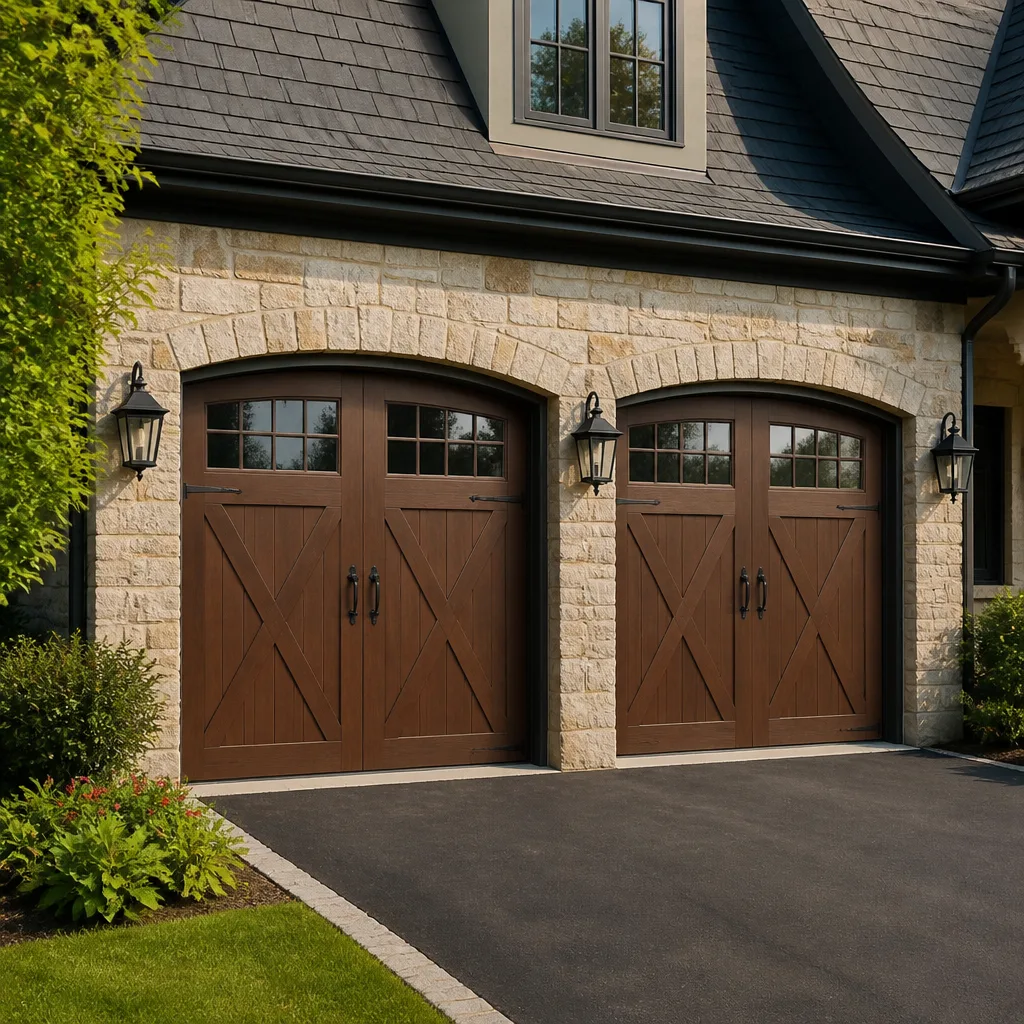 Carriage house
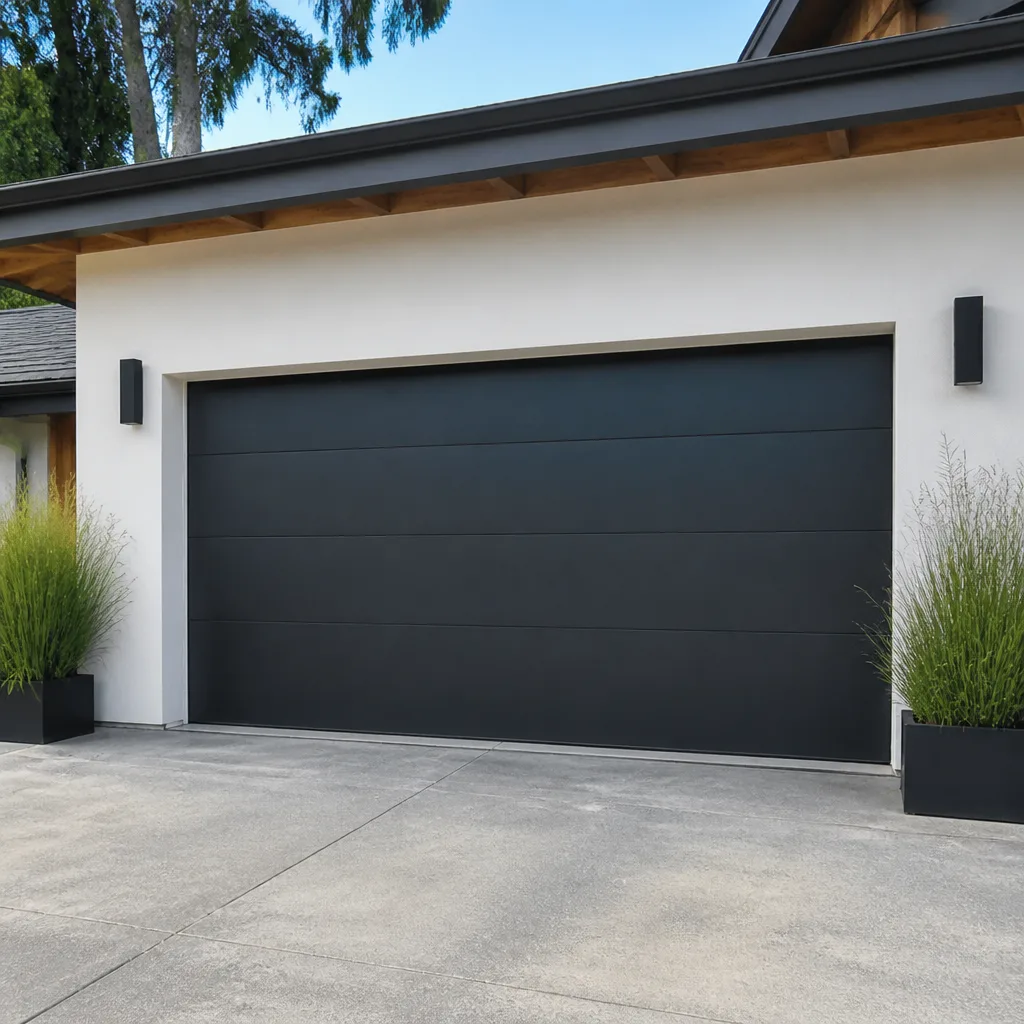 Modern flush
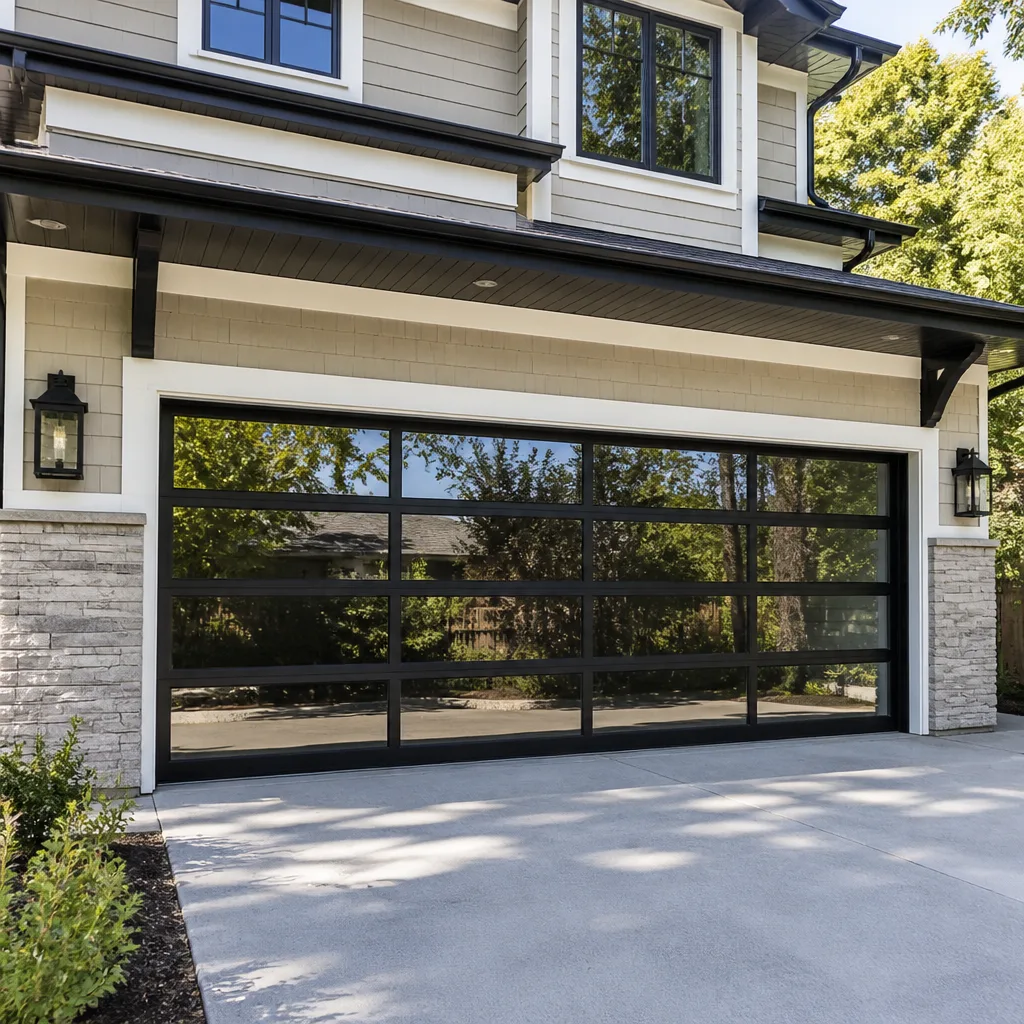 Full-view glass
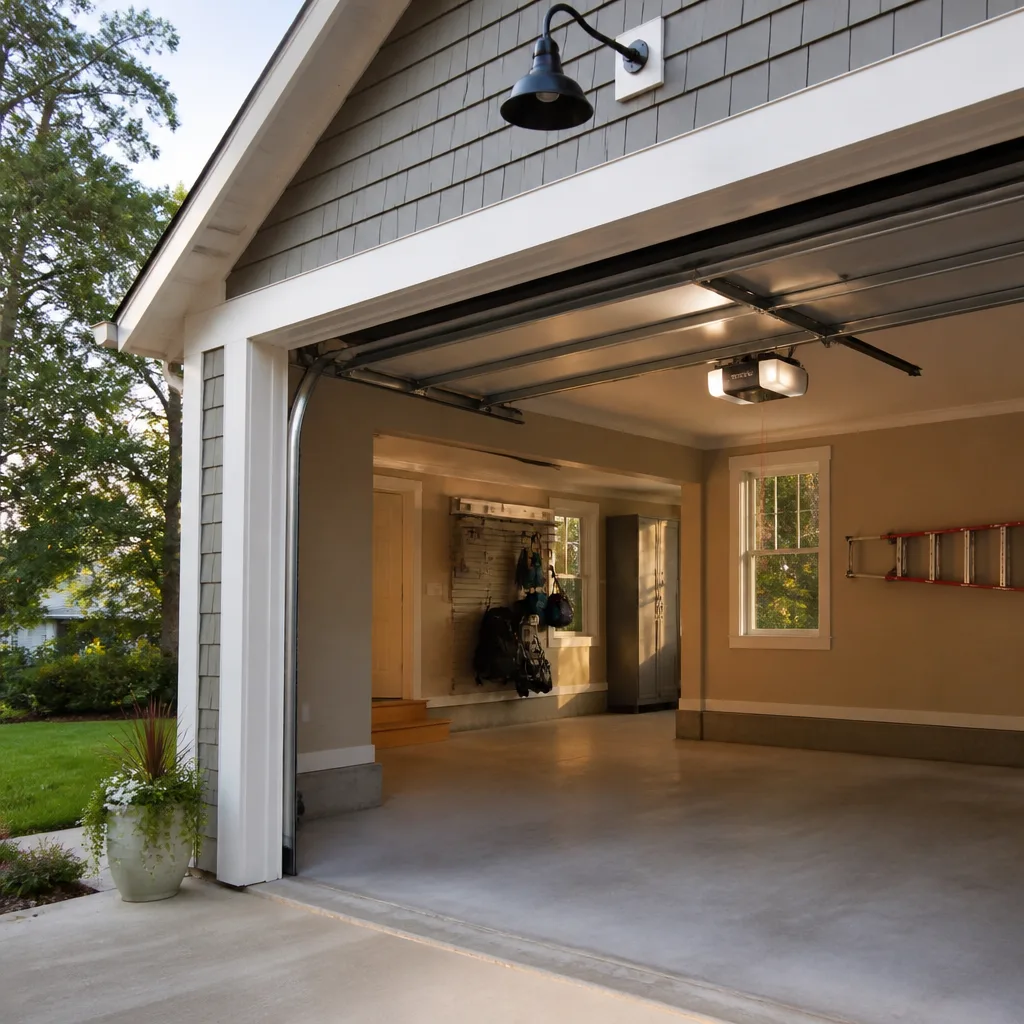 LiftMaster openers
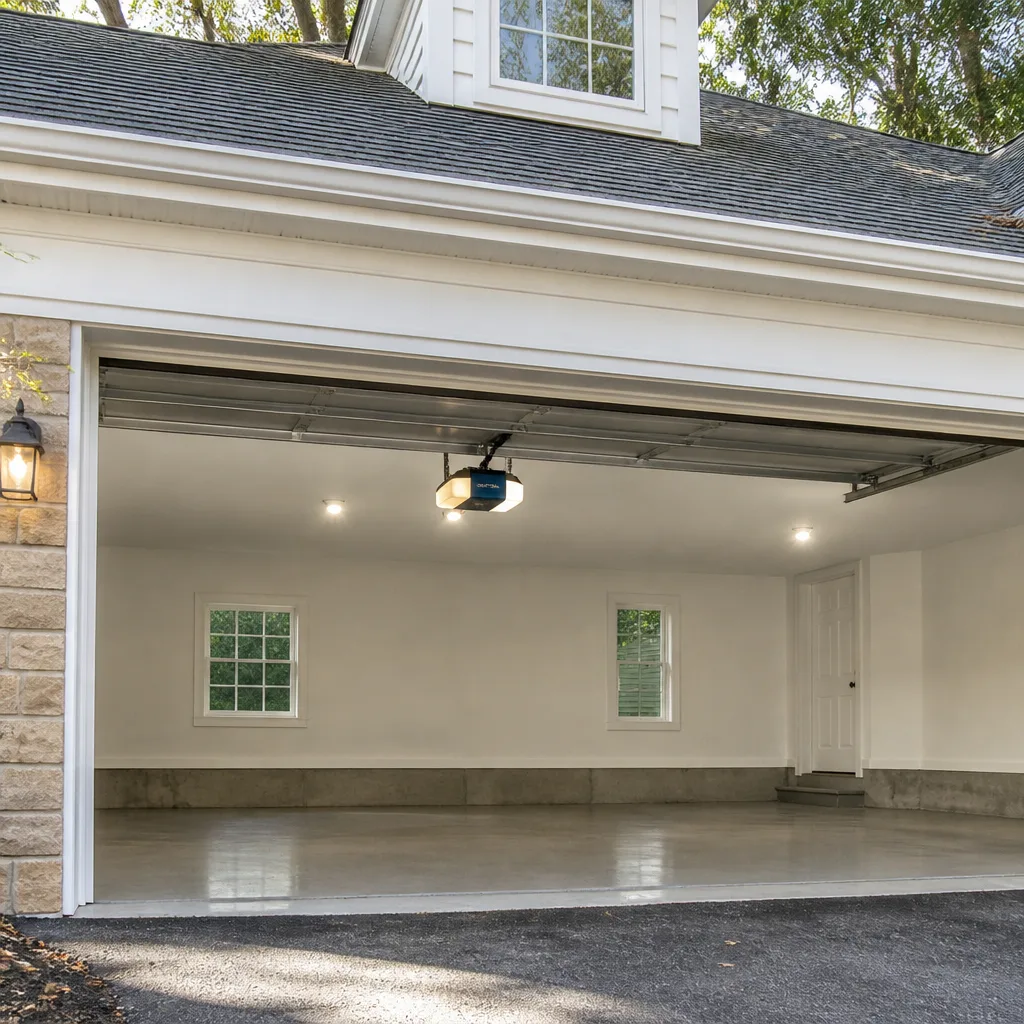 Chamberlain openers
Full 25-point door and opener safety check with every visit - springs, cables, rollers, tracks, and your LiftMaster or Chamberlain opener included
You get a price before we start. It does not change when the pro arrives.
Get your free estimateSeasonal Garage Door Care for Pembroke Pines: Year-Round Homeowner’s Guide
If your garage door maintenance calendar says “winterize in November,” it was written for Minnesota. In Pembroke Pines, November is when you’re coming out of hurricane season and heading into the dry stretch that cracks weatherstripping, not the month you dig out the snow shovel. Most seasonal garage door advice floating around online assumes four neat seasons with a hard freeze in the middle. Pembroke Pines doesn’t work that way. Our year splits into storm season, the rainy tail of it, and two dry-heat windows that put very different demands on springs, seals, and openers. This guide lays out a maintenance calendar built for that real rhythm: what to check before June 1, what to do when a named storm is headed our way, and which dry months are best for the jobs that need paint and parts to cure properly.
Quick Answer
Garage door care in Pembroke Pines follows a storm-season calendar, not a four-season one. Before June 1, test the manual release and check hinges, rollers, and tracks so the door moves freely if you lose power. During storm watches, close and lock the door and stay off the opener; during warnings, stay away from the door entirely. Use the dry months from November through April for seal inspection, spring checks, repainting, panel replacement, and opener upgrades.
Styles & brands we work with
- Raised-panel steel
- Carriage house
- Modern flush
- Full-view glass
- LiftMaster openers
- Chamberlain openers
Table of Contents
- Why Pembroke Pines Runs on a Different Calendar
- May to June: Pre-Hurricane Prep Before June 1
- July to October: What to Do During Storm Watches and Warnings
- November to January: Dry-Season Seal and Spring Checks
- February to April: The Best Window for Paint, Panels, and Openers
- Year-Round Humidity and Hardware Lifespan
- A Simple Four-Window Maintenance Plan
- What Seasonal Garage Door Care Costs in Pembroke Pines
Why Pembroke Pines Runs on a Different Calendar
The single biggest mistake in seasonal garage door care is copying a template written for a cold climate. In Pembroke Pines, the garage door never faces a freeze. It faces sustained heat, heavy summer rain, salt-free but humid air, and months of ultraviolet exposure. That shifts the wear pattern completely. Cold-climate guides worry about ice in the tracks and salt on the steel. Here, the enemy is heat-driven expansion, moisture that finds its way into seals and hinges, and sunlight that ages the rubber and the paint long before the metal gives out.
Our “seasons” break down roughly like this:
- May and June: the run-up to hurricane season’s official start on June 1. This is your prep window.
- July through October: active storm season, with most tropical activity and the heaviest rain.
- November through January: the dry-heat stretch. Humidity drops, weatherstripping dries and cracks, and heat-cycled springs deserve a look.
- February through April: mild, stable weather that’s ideal for paint, parts, and replacement work before the humidity climbs again.
If you’ve been putting off garage door repair, the smart move is to fit it into the window where it does the most good, not the month a northern guide tells you to. The maintenance plan below does exactly that. It’s built for Pembroke Pines homes, and it accounts for the two things that shorten door hardware life here more than anything else: heat cycling and humidity.
May to June: Pre-Hurricane Prep Before June 1
June 1 is the date to work backward from. In the weeks before it, a garage door should be tested for the two things a storm can expose: hardware that won’t move freely when the power’s out, and a door that can’t be secured from the inside. You don’t need to become a mechanic to handle this, but you do need to know what “good” feels and sounds like.
Run these checks in late May, well before any storm is on the radar:
- Test the manual release. With the door fully closed, pull the red release cord once to disconnect the opener carriage. Then lift the door by hand. It should rise smoothly and hold at roughly waist height on its own. If it drops or takes real effort, the springs or balance are off and a professional should look at it.
- Listen on the way up. Grinding, squealing, or a rhythmic thump points to worn rollers, dry hinges, or a track that’s out of line.
- Check the hinges and rollers by hand. With the door down and the power off, look for cracked nylon rollers, loose hinge plates, and any rust blooming at the pivot points.
- Look at the tracks for debris and bends. A track that’s visibly bent or has a widening gap will let the door drift during a power outage, exactly when you can’t afford it.
- Confirm the door is balanced. A properly balanced door opens and closes with one hand. If yours fights you, get it serviced before the season starts.
- Reconnect and test the opener. Re-engage the manual release, run the door through a full open-and-close cycle, and check that the safety reversal works by passing an object under the closing door.
If you find a spring that won’t hold the door or a track that’s bent, don’t put it off. Spring work is high-tension and genuinely dangerous, and a storm arriving with a door you can’t secure is a bad position to be in. A pre-season service visit covers all of this and is far easier to schedule in May than in the middle of a busy storm season. This is also the right time to look at the whole door with fresh eyes, from the panels to the opener, so a technician can flag anything that will fail in August.
July to October: What to Do During Storm Watches and Warnings
During a named storm watch, you have time to act. During a warning, you don’t. The distinction matters for your garage door because the wrong move in either phase can cost you the door or put you at risk. Here’s how to handle each.
Named storm watch (typically 48 hours out)
- Close the door fully and engage the lock if your door has a manual slide lock or handle.
- Disconnect the opener if you’re worried about a power surge, or leave it connected and confirm the surge protection on your opener’s outlet is intact.
- Clear the garage floor of anything loose; a heavy object that gets picked up and thrown during a storm can damage panels from the inside.
- If your area is under a mandatory evacuation and you have time, do a quick check of the door’s bottom seal and the manual release, then leave.
- Don’t climb up to service springs or adjust tracks now. Anything that needs a ladder should have been done in May.
Named storm warning (shelter now)
- Stay away from the garage door entirely. A door under wind load can fail unpredictably, and the springs behind it store enough energy to cause serious injury.
- Close and lock everything, keep the door down, and stay inside.
- If the door starts making noise during the storm, leave it alone. There is no safe way to adjust a door while wind is driving against it.
After the storm, inspect the door from the ground before you touch anything. Look for bent tracks, panels that have shifted, a door that’s hanging off one side, or a garage that’s taken on water. If you see any of that, call a professional. A door that looks fine can be dangerously out of balance, and forcing the opener to lift it can bend the door or damage the opener’s drive. The same goes for openers from any brand, whether it’s a LiftMaster, a Chamberlain, or a Genie; if the door itself is compromised, the opener shouldn’t be run.
November to January: Dry-Season Seal and Spring Checks
Once the storm season winds down and the humidity drops, Pembroke Pines enters its dry-heat stretch. This is the best window of the year to inspect the parts that the summer heat and moisture have been working on. Two jobs deserve priority: seals and springs.
Weatherstripping and bottom seals
The rubber or vinyl seal along the bottom of the door and around the sides takes a beating from sun and heat cycling. In the dry months, it’s easier to spot the cracks, hardening, and shrinkage that get worse over time. Walk around the closed door and look for daylight coming through the sides, a seal that’s pulled away from the door, or a bottom edge that looks dried out and rough. A worn seal lets rain and insects in, and it also lets conditioned air out, which is the real cost over a full year. Replacing a bottom seal is a straightforward job and one of the least expensive seasonal fixes.
Spring tension check
Every time your door opens and closes, the springs cycle through tension and release. Over a South Florida summer, the number of cycles adds up fast, and heat makes spring steel fatigue a bit faster than in cooler climates. In our experience, a door that was balanced in May can feel heavy by December. Lift the door by hand with the manual release pulled; if the door won’t hold, the springs are losing tension and need attention.
This is the one check where we strongly recommend calling a professional before you touch anything. Springs are under extreme tension, and there is no safe way to adjust or replace them without the right tools and training. A garage door repair visit that includes a spring inspection is one of the highest-value seasonal tasks you can schedule in Pembroke Pines.
February to April: The Best Window for Paint, Panels, and Openers
If you’re planning to repaint the door, replace damaged panels, or upgrade your opener, the stretch from late February through April is the window to aim for. The reason is simple: paint and sealants need stable, mild weather to cure properly, and the humidity hasn’t climbed back to its summer levels yet. A paint job completed in April holds up better than the same job done in July.
Repainting
Steel and aluminum doors with faded or chalky paint can be repainted, but the prep matters. The surface needs to be clean and dry, and any rust spots should be treated before a topcoat goes on. Older wood doors need a different approach entirely. If you have a Clopay or Amarr door, check the manufacturer’s finish recommendations for your specific model, and consider how a new color will look with the rest of the house before you commit. The dry window means fewer surprises with the finish.
Panel replacement
Storm damage, a backed-into door, or just years of sun can leave a single panel looking rough while the rest of the door is fine. Replacing one or two panels is far less expensive than a full door, and the mild weather makes the job cleaner to finish. This is also the time to check whether a panel issue is cosmetic or structural: a dented panel is cosmetic, but a bent track behind it is not.
Opener upgrades
If your opener is loud, slow, or missing safety features, the dry window is the best time to replace it. Modern openers from brands like LiftMaster, Chamberlain, and Genie include quieter belt drives, battery backup options, and smartphone controls. Seasonal timing matters here because a technician working in a mild, dry garage can do a clean install and test everything without rushing before the humidity returns. If you’re considering a whole new door alongside the opener, that’s a bigger project and the ideal dry-season month to schedule a garage door installation.
Year-Round Humidity and Hardware Lifespan
South Florida humidity is the quiet factor in how long your garage door hardware lasts. The air inside a garage holds moisture, and that moisture settles on steel hinges, springs, rollers, and the opener’s drive rail. Over a couple of years, it shows up as rust at the pivot points and stiffness in the moving parts. It’s not dramatic, and it’s not an emergency, but it’s the reason hardware here can need attention sooner than a northern guide would suggest.
You can manage the moisture easily:
- Ventilate when you can. If the garage has vents or a window, keep airflow moving during dry spells. Running a dehumidifier in a sealed garage helps too, especially through the rainy months.
- Keep the door and opener components lubricated. A manufacturer-recommended lubricant on hinges, rollers, and the opener’s rail, applied a few times a year, keeps rust from getting a foothold.
- Watch for standing water after storms. If water gets into the garage repeatedly, the hardware and the opener’s control board are both at risk.
- Check the opener’s control board area for corrosion. If you notice the opener acting up after a humid stretch, it’s worth having someone look at it. garage door opener repair is a common need after a wet summer.
The bottom line is that humidity management is an all-year job in Pembroke Pines, not a once-a-year task. A little lubrication and airflow goes a long way toward keeping the mechanical parts smooth.
A Simple Four-Window Maintenance Plan
Here’s the whole year in one place. Keep this plan handy, and the seasonal care for your Pembroke Pines garage door becomes manageable instead of something you remember only when a spring snaps.
- Late May, before June 1: Test the manual release, listen for noise, check rollers and hinges, look at the tracks, confirm the door is balanced, and test the opener’s safety reversal.
- July to October, storm season: On a watch, close and lock the door and clear the floor. On a warning, stay away from the door. After a storm, inspect from the ground and call a professional if anything looks bent or hanging.
- November to January, dry season: Inspect bottom and side seals for cracking, and have the springs checked for tension loss. Lubricate hinges and rollers.
- February to April, dry window: Schedule repainting, panel replacement, and opener upgrades. Test the opener’s safety features after any upgrade.
Read it once a year, right around the start of each window. The plan isn’t complicated, and that’s the point. The homeowners who get the most life out of their garage doors in Pembroke Pines aren’t the ones who spend the most money; they’re the ones who put the right task in the right month.
What Seasonal Garage Door Care Costs in Pembroke Pines
Seasonal care costs vary by what needs doing, but a few ranges give you a starting point for planning. These are typical estimates for the Pembroke Pines market; the written estimate you get after a technician looks at the door sets the final price.
- Full seasonal tune-up (lubrication, balance check, safety reversal test): typically $90 to $180.
- Bottom seal or weatherstripping replacement: typically $100 to $250, depending on the length and material.
- Spring repair, per spring: typically $180 to $340. A matched pair is usually replaced together, so a pair runs about twice that.
- Opener repair: typically $120 to $300, depending on the fault.
- Opener replacement (unit installed): typically $350 to $800, depending on the model and features.
- Single panel replacement: typically $150 to $450, depending on the door’s design and finish.
Seasonal timing helps control cost too. A pre-season tune-up scheduled in May usually costs less than an emergency call in August, and a panel replacement in the dry months is easier and often cheaper than the same job in a humid rush. If you’re weighing repair against replacement, our team is happy to talk through both. One call covers Pembroke Pines Garage Door Repair Pros services across repair, spring work, openers, and new installation.
Common Mistakes to Avoid
- Using a northern maintenance calendar. Waiting for a “winterize in November” reminder means you miss the actual storm prep window and start the dry season with a door that’s already been through a full summer.
- Skipping the pre-June manual release test. If the opener fails during a storm and the release won’t disengage, you’re stuck with a door you can’t move by hand.
- Running the opener during a storm warning. If the door is under wind load and something’s off, the opener can bend the door or damage its own drive. Close it and leave it.
- Ignoring dry-season seal cracking. A bottom seal that dries out in November lets rain and pests into a Pembroke Pines garage all year, and it’s the cheapest thing on the list to fix.
- Putting off spring checks. Most spring failures start with gradual tension loss that shows up as a door that no longer holds itself open. Catching that in December beats catching it as a snapped spring in July.
- Repainting in the rainy months. Paint needs stable, mild weather to cure. Aim for February through April, not the peak of the wet season.
- Forcing a door that’s out of balance after a storm. If a door hangs or won’t close, call a professional instead of running the opener through it. The damage gets worse and the repair grows.
See the difference
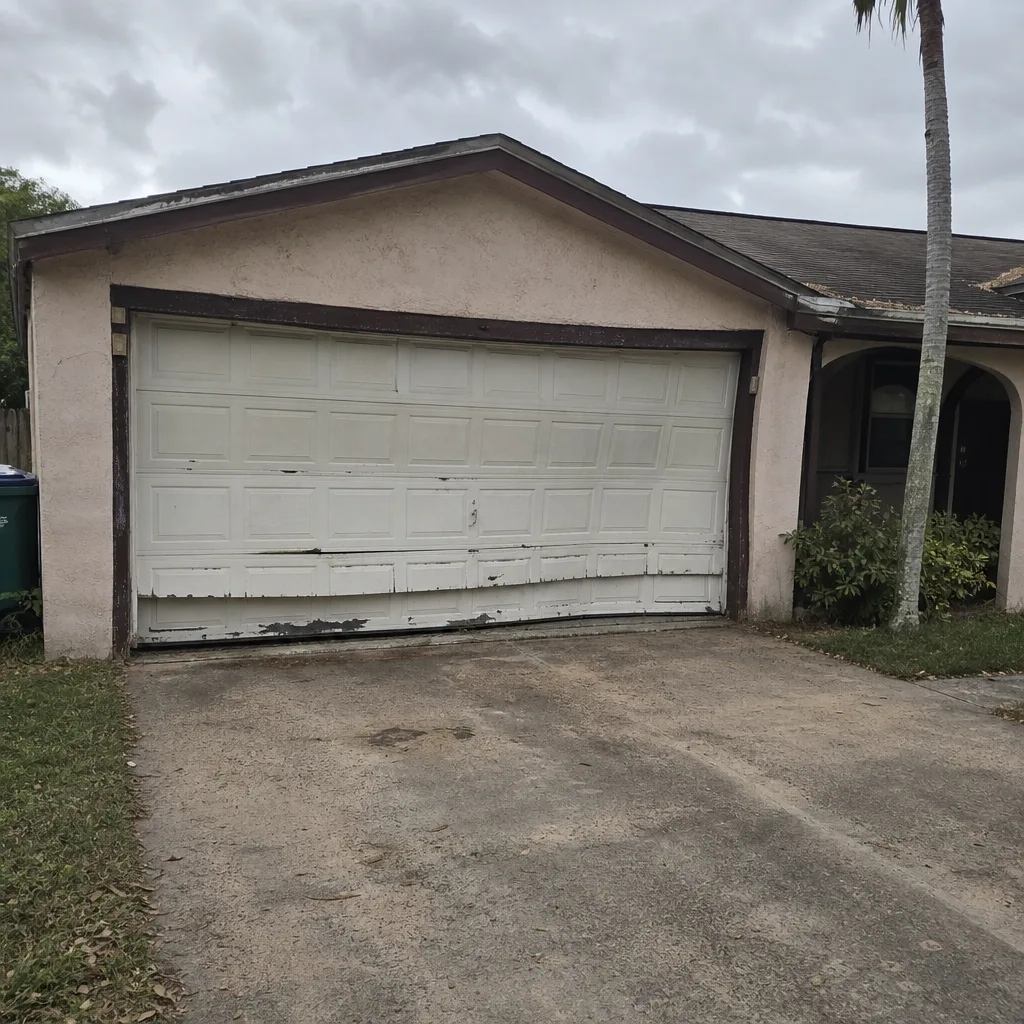 Before
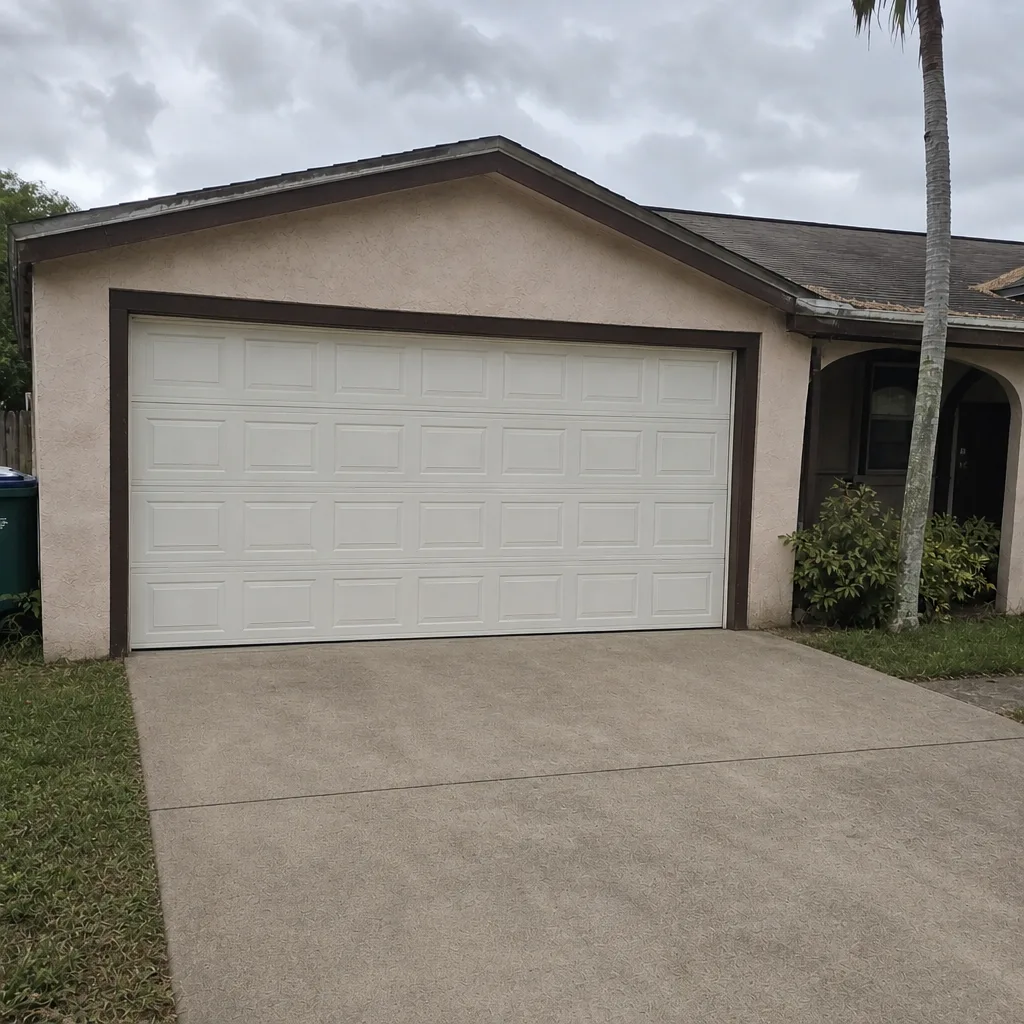 After
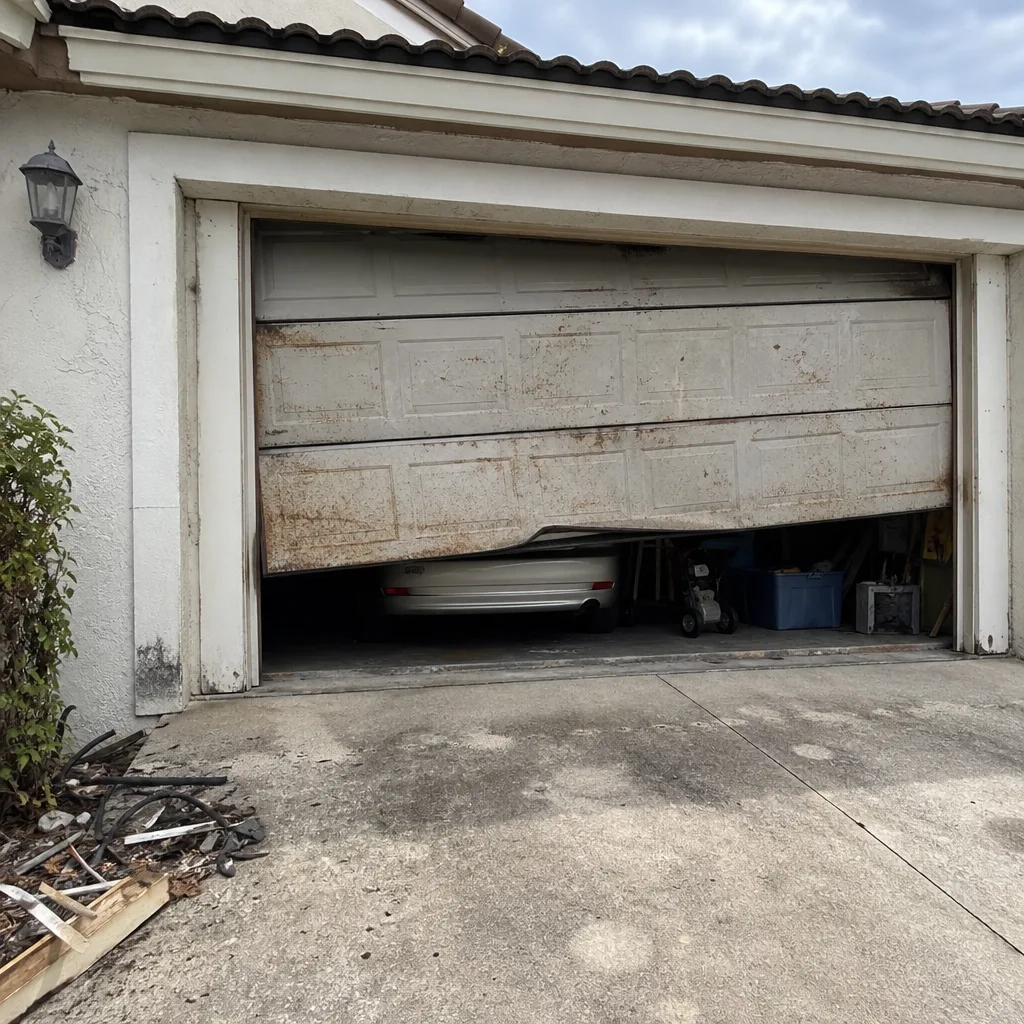 Before
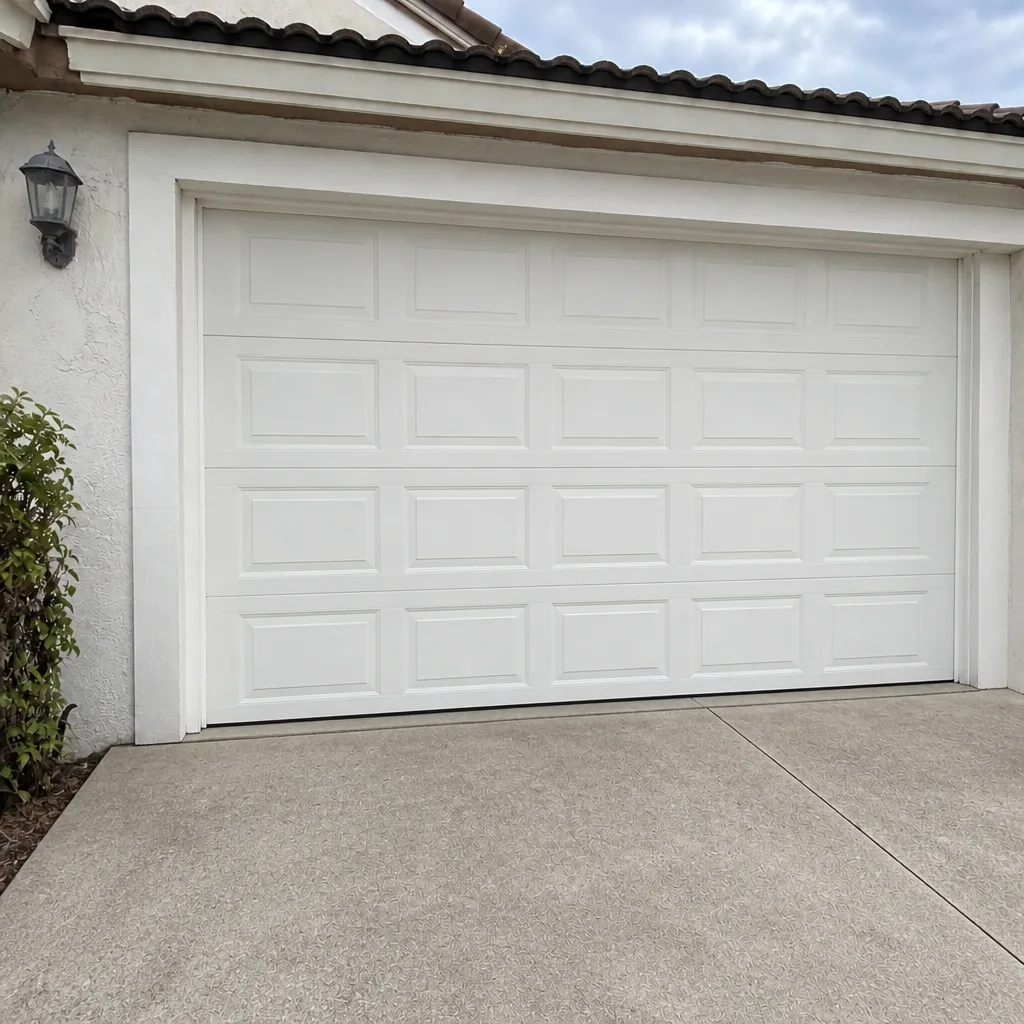 After
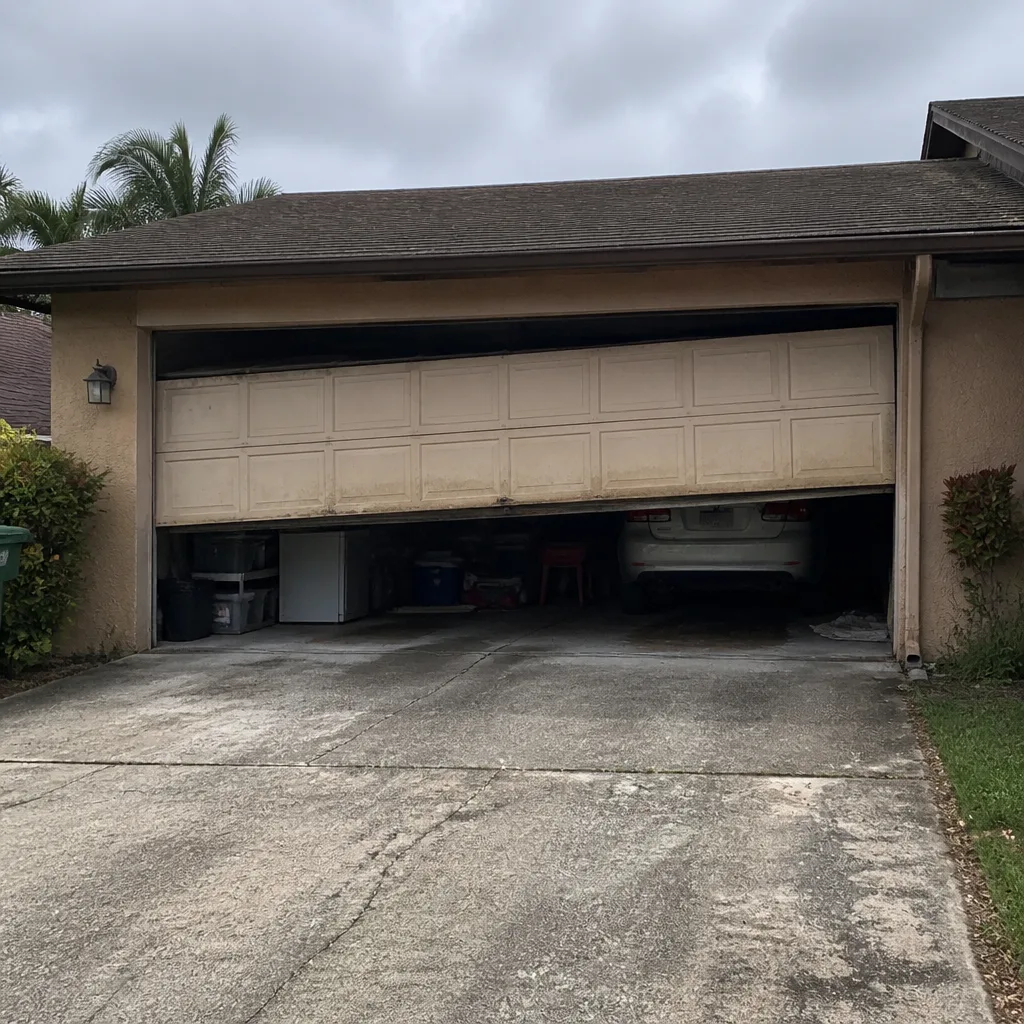 Before
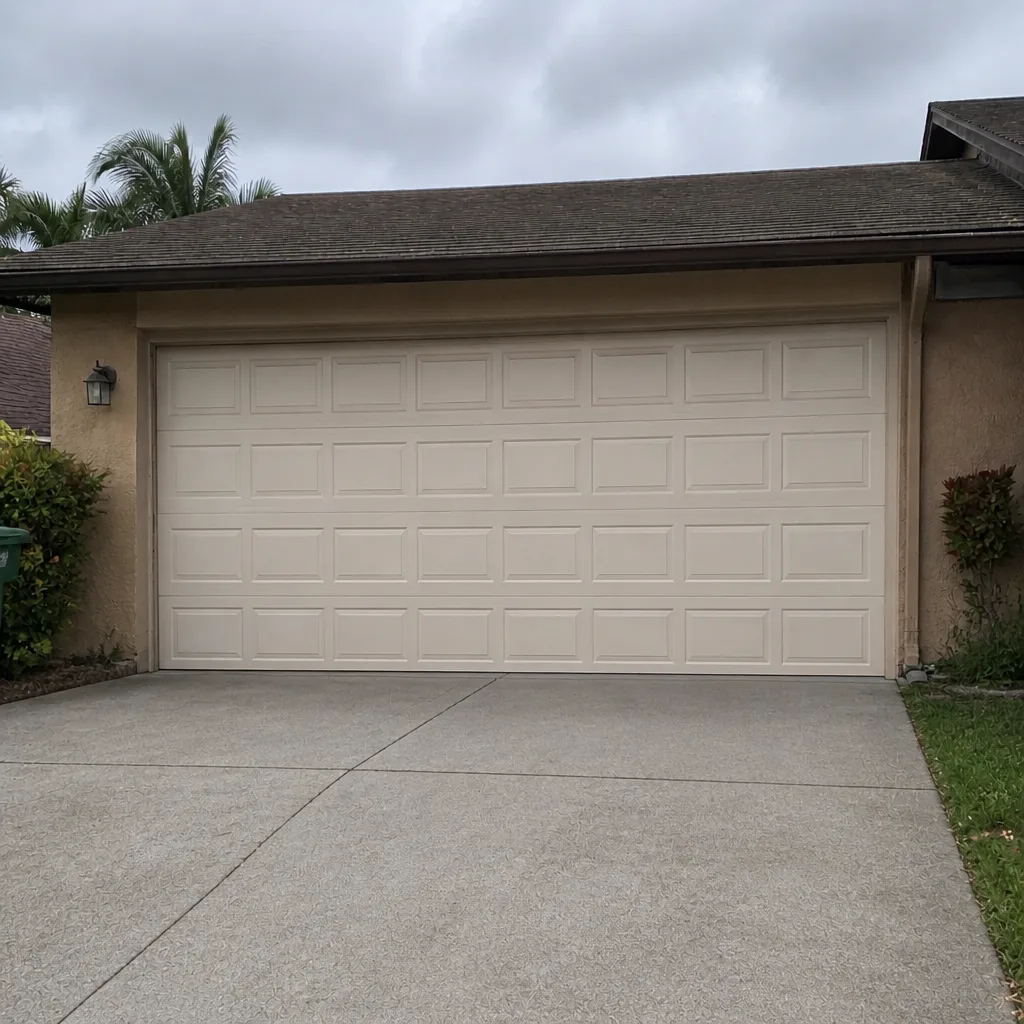 After
When to Call a Professional
Most of what’s on this calendar you can handle with a flashlight and a few minutes. A few things always call for a trained technician: any spring work, which is under extreme tension and genuinely dangerous; a door that’s off its tracks or hanging to one side; an opener that runs but won’t move the door; a door that won’t reverse when something’s under it; and any damage after a storm that leaves the door hard to move or out of balance. If you’re not sure whether something is a DIY job or a call, err on the side of calling. Pembroke Pines Garage Door Repair Pros offers free estimates in Pembroke Pines, and our technicians have up to 15 years of experience across eight major brands, so they arrive familiar with the system already in your garage. Call (844) 793-5158.
Frequently Asked Questions
The best time for a full seasonal tune-up in Pembroke Pines is late May, right before hurricane season starts on June 1, with a second check in November after the storm season winds down. That two-visit rhythm covers the prep work before storms and the dry-season seal and spring checks after.
During a named storm watch, close and lock the door, clear the garage floor, and stay off the opener. During a warning, stay completely away from the door and don’t try to adjust anything; a door under wind load can fail unpredictably. Call for free estimates on (844) 793-5158 if you need post-storm repairs.
Heat and cycle count, not cold, drive spring wear here. A Pembroke Pines door typically cycles more often than one in a cold climate, and sustained heat can speed up spring fatigue. A dry-season tension check in November or December catches the problem before it turns into a snapped spring.
No. Garage door springs are under extreme tension, and a mistake can cause serious injury. Spring repair is a job for trained technicians, and it’s the one task in this guide we’d never suggest tackling yourself.
The best window is February through April, when the weather is mild and dry enough for paint and sealants to cure properly. A paint job done in the humid summer months is more likely to have finish problems. Call (844) 793-5158 for a free estimate on repainting or panel replacement.
Yes, mainly through humidity. Moisture inside the garage can corrode an opener’s control board and stiffen the drive rail, which shows up as sluggish or erratic operation. Keeping the garage ventilated and the rail lubricated helps, and if the opener starts acting up after a humid stretch, it’s worth having it checked; call (844) 793-5158 for a free estimate.
The Bottom Line
Pembroke Pines garage door care comes down to putting the right task in the right window: prep in May before June 1, manage and stay safe through storm season, inspect seals and springs in the dry months, and use February through April for paint, panels, and opener upgrades. Skip the northern template. Winter here means storm recovery and dry-heat checks, not ice in the tracks. Follow this four-window plan and a little seasonal attention will keep your door running smoothly through every one of them. When something needs a trained eye, one call covers repair, springs, openers, and installation.
Call Pembroke Pines Garage Door Repair Pros at (844) 793-5158 for a free estimate. Our technicians have up to 15 years of experience with LiftMaster, Chamberlain, Genie, Clopay, Amarr, Wayne Dalton, Craftsman, and Raynor systems, and they’re ready to help you plan the season.
Written by the team at Pembroke Pines Garage Door Repair Pros.