Last updated November 22, 2026
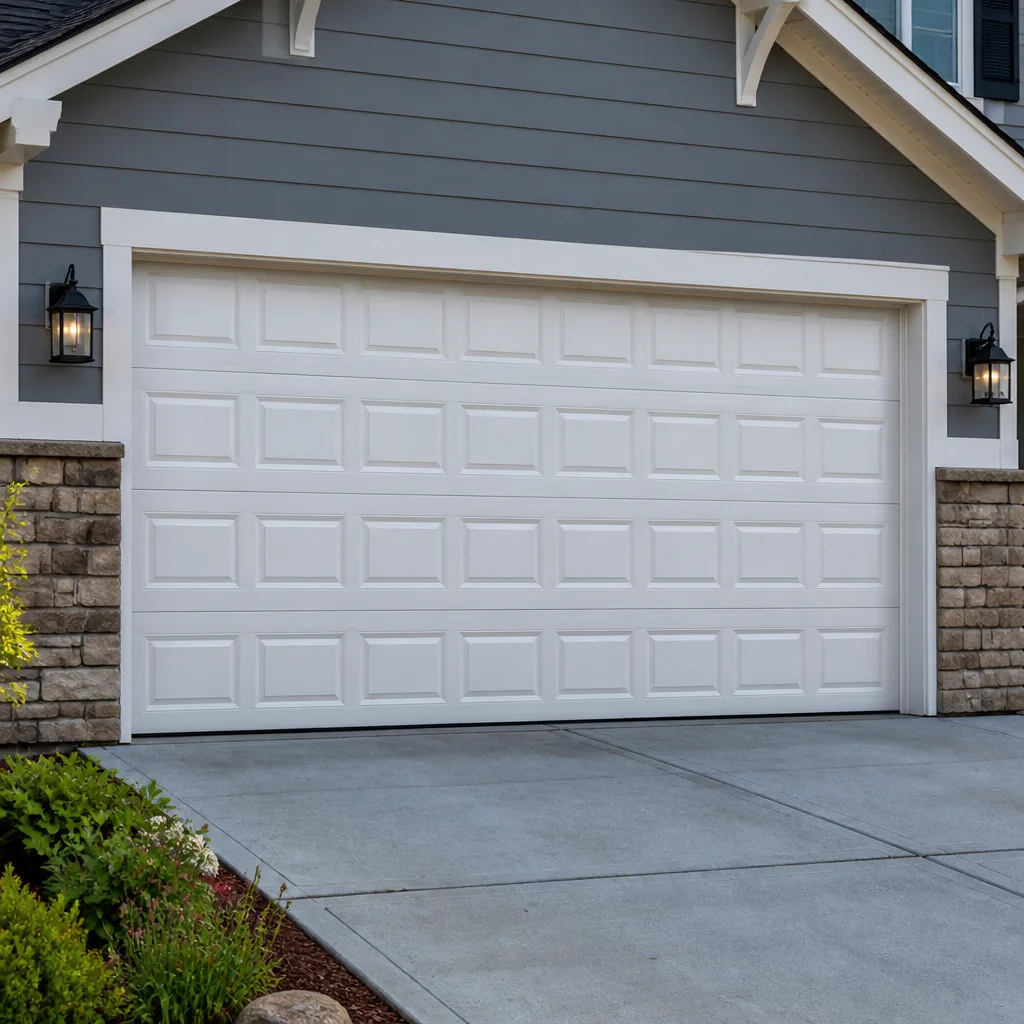 Raised-panel steel
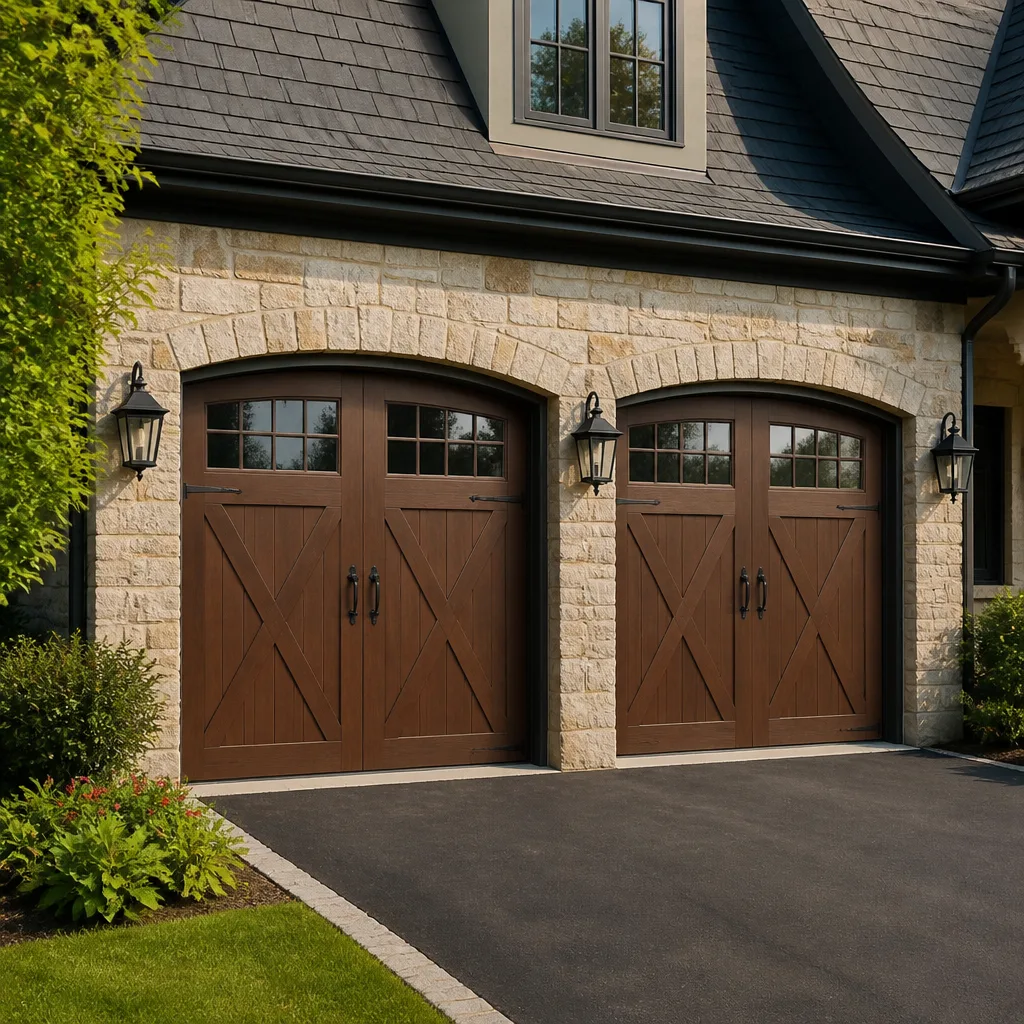 Carriage house
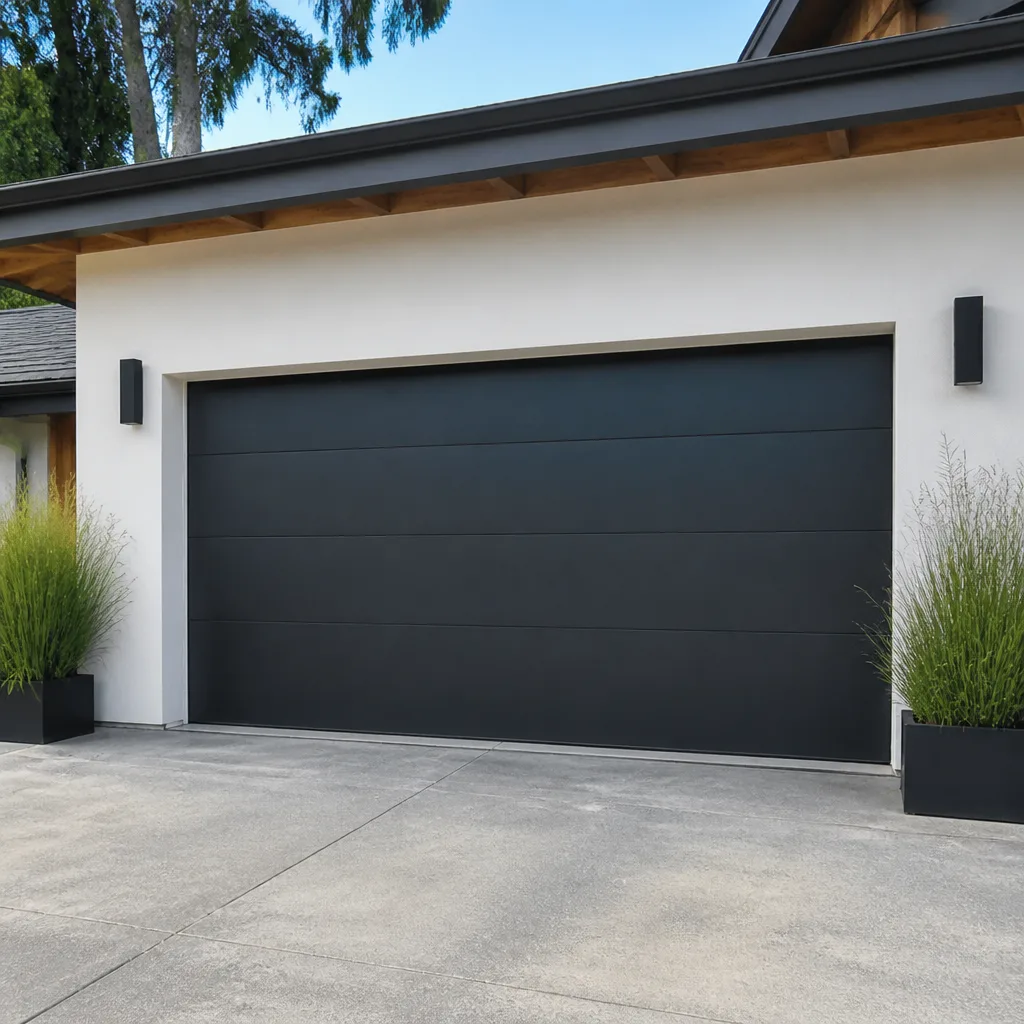 Modern flush
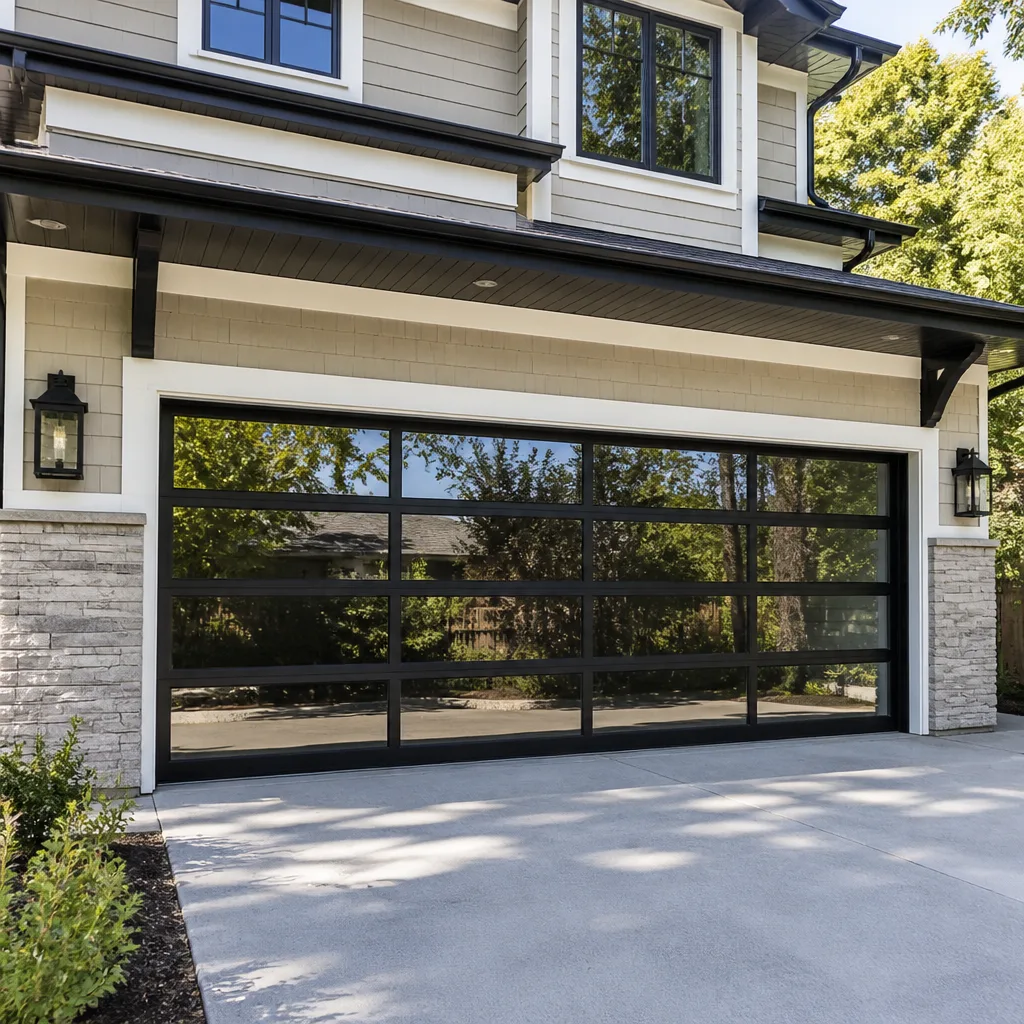 Full-view glass
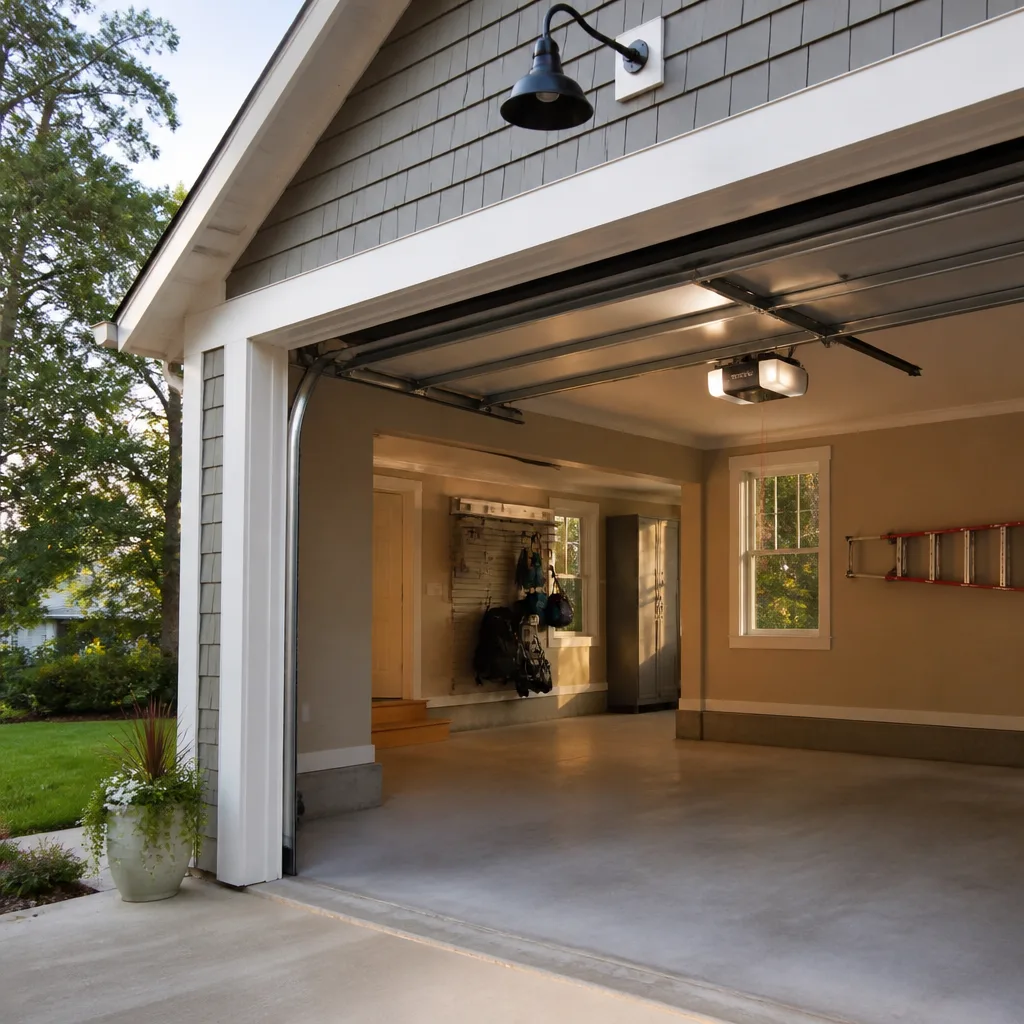 LiftMaster openers
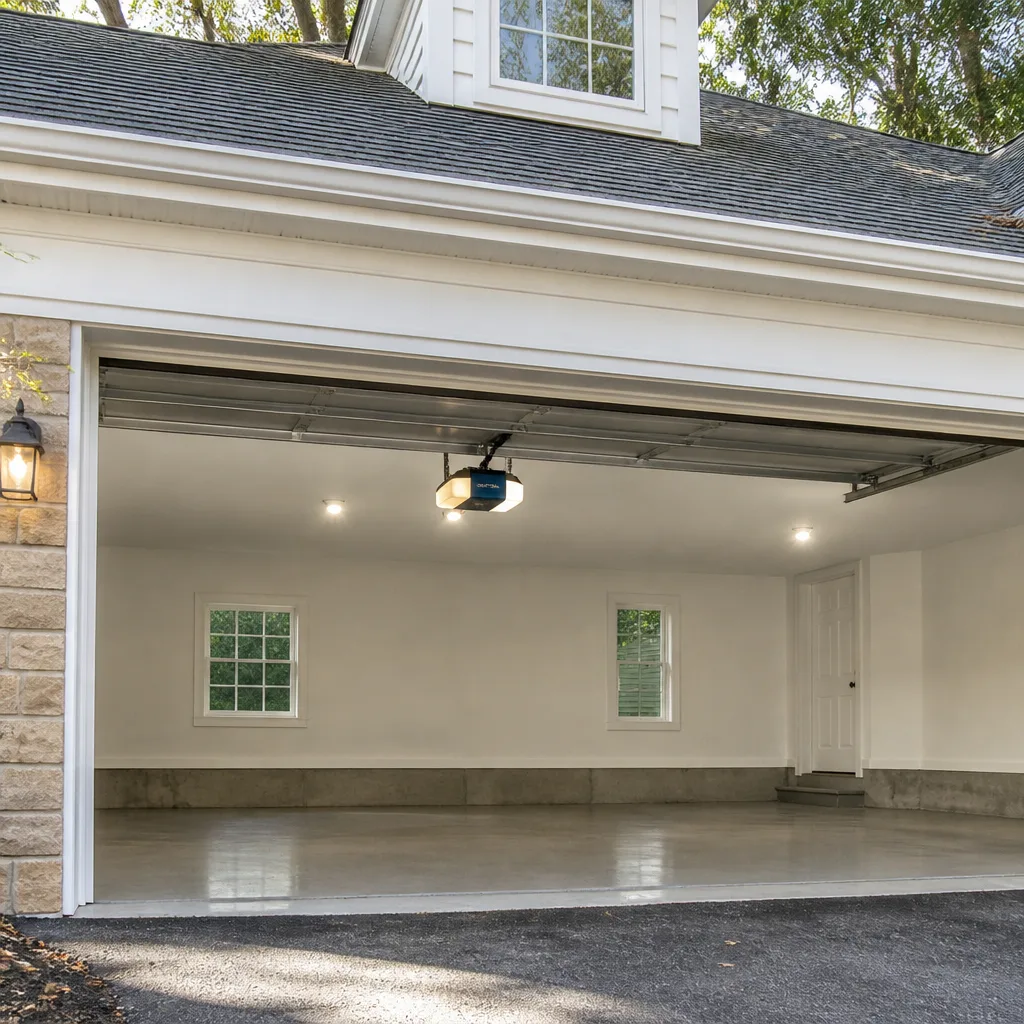 Chamberlain openers
Full 25-point door and opener safety check with every visit - springs, cables, rollers, tracks, and your LiftMaster or Chamberlain opener included
You get a price before we start. It does not change when the pro arrives.
Get your free estimateGarage Door Permits, Codes & Inspections in Pembroke Pines, FL: What You Need to Know
Most homeowners assume the permit is the contractor’s problem. In Pembroke Pines, that assumption is expensive. Broward County ties a garage door permit to wind-load compliance, and the permit record attaches to the property, not to whoever swung the hammer. That means an unpermitted door sits quietly in your file until a buyer’s inspector pulls the records, a lender asks questions, or an insurer wants documentation after a storm. What follows is what we’ve learned walking Pembroke Pines homeowners through the permit, inspection and documentation side of garage door work: when you actually need a permit, how to read a Florida Product Approval number, what the inspector looks at, and how to fix a door that was installed without one.
Quick Answer
In Pembroke Pines, replacing a garage door generally requires a permit because the door is a rated wind-load component of the building envelope, while most repairs (springs, cables, rollers, tracks, opener motors) do not. The permit has to be pulled before the work starts, and the job needs a final inspection that confirms the door matches an approved product and is anchored per the manufacturer’s instructions. Replacing only an opener is normally permit-exempt.
Styles & brands we work with
- Raised-panel steel
- Carriage house
- Modern flush
- Full-view glass
- LiftMaster openers
- Chamberlain openers
Table of Contents
- When a garage door permit is required in Pembroke Pines
- Florida Product Approval numbers, explained
- What a garage door inspection actually checks
- HOA approval versus city permit: what order to pursue them in
- You bought a home with an unpermitted garage door. Now what?
- What the permit and remediation typically cost
- Who pulls the permit, and what you should keep
- Wind-load ratings and why Pembroke Pines takes this seriously
When a Garage Door Permit Is Required in Pembroke Pines
The rule of thumb: if the door itself changes, expect a permit. If a component inside the existing door system is repaired or replaced in kind, you usually don’t need one. Pembroke Pines follows Florida’s building code, and the garage door counts as part of the structural envelope because it’s the largest operable opening in a typical home. Here’s how the scenarios break out.
Full door replacement
Permit required. A new door means a new wind-load rating, new anchorage, and a product that has to be documented as approved for the design pressure at your address. The permit application carries the door’s Florida Product Approval number, the manufacturer’s installation instructions, and the anchor schedule. This is true whether you’re swapping a single-car door in a Chapel Trail townhome or replacing a double door on a larger property near Silver Lakes.
Changing the door type or size
Permit required, and often an engineering review too. Widening an opening, converting from a single door to a double, or moving from a standard sectional to a carriage-style door changes the loads on the header and the jambs. That’s a structural question, not just a product question.
Repair work on the existing door
No permit for springs, cables, rollers, hinges, panels, tracks, weather seal or bottom brackets. These keep the door operating within its original approval. One important caveat: replacing a damaged section with a panel of different weight changes the door’s balance and can void the approval of the assembly, so match the panel to the original model.
Opener replacement or opener repair
No permit. Whether you’re installing a new Chamberlain belt drive, repairing a Genie logic board, or swapping a wall console, the opener isn’t part of the wind-load envelope. It does need to be set up correctly for the door’s weight and travel. If you want the safety sensors and force limits verified at the same time, that’s what our garage door opener repair visit covers.
New construction
Permit required, and the door is inspected as part of the broader building permit rather than as a standalone garage door permit. If you’re building an addition with a new bay, the door, the header and the anchoring all fall under that main permit.
Florida Product Approval Numbers, Explained
A Florida Product Approval (FPA) number is the state’s record that a specific product, made by a specific manufacturer, has been tested to meet defined wind and impact criteria. It’s not a general “this brand is good” stamp. It’s model-specific and, in most cases, size- and installation-specific too. A door can be approved at one width and not another.
The number typically appears on the door’s label, on the installation instructions that ship with it, and in the manufacturer’s documentation. For a Clopay or Amarr door, the approval is tied to the model line and the anchoring method. Look it up in the state’s product approval database and confirm three things:
- The model matches. Not the brand, the model. A Clopay door of one series isn’t covered by another series’ approval.
- The size falls within the approved range. Approval documents state the maximum tested size for a given design pressure.
- The installation method matches what was actually done. Anchors, spacing and reinforcement all matter. A door approved with a specific anchor pattern isn’t approved if the installer improvised.
This is the part of the process most homeowners never see, and it’s the part that decides whether your door passes inspection. When we quote a replacement, the FPA number is part of the paperwork before anything is ordered. That’s also why a proper garage door installation is measured and scheduled rather than rushed: the door has to match the approval for your opening.
What a Broward County Inspection Actually Checks
The final inspection for a garage door permit isn’t a deep mechanical audit. It’s a documentation and installation verification. The inspector wants to confirm that what’s on the wall matches what’s on the approved application. In our experience, most failed inspections come down to paperwork mismatches or anchoring shortcuts, not the door itself.
A typical inspection sequence looks like this:
- Confirm the permit is posted and visible. The approved plans or product documentation should be on site.
- Match the installed door to the approved model and size. The label or documentation has to correspond to the FPA number on the permit.
- Check anchorage. Jamb brackets, header brackets and track fasteners are verified against the manufacturer’s instructions. Undersized or missing anchors are the most common correction.
- Verify the door operates fully. Full open, full close, no binding. A door that’s out of balance gets flagged.
- Confirm the opener safety reverse works where an opener is part of the scope. The door should reverse on contact and the photo-eye system should stop the door when blocked.
- Sign off. The permit is closed and the record now shows a compliant installation at your address.
One practical note for Pembroke Pines: inspections require the work to be complete and accessible. If the door is covered, blocked by stored items, or half-finished, the inspector can’t verify it and you’ll pay for a re-inspection. We schedule installations so the final inspection can happen with the opening clear.
HOA Approval Versus City Permit: What Order to Pursue Them In
These are two separate approvals with different concerns, and doing them in the wrong order can cost you. The city cares about structural compliance and wind-load. Your HOA cares about appearance, color, panel style and sometimes whether the door faces the street. Neither one substitutes for the other.
Pursue the HOA first, permit second. Here’s why: if your association rejects the color or the window pattern, you haven’t yet paid for a permit application on a door you can’t install. HOA architectural review can take weeks depending on the community, and many Pembroke Pines associations require a sample or manufacturer’s color sheet. Get that approval in writing before the door is ordered.
Then pull the permit with the door model locked. The permit application lists the specific product, so changing doors mid-process means an amendment. Doing HOA first keeps the two records consistent.
If you’re in a gated community or a deed-restricted neighborhood, also confirm whether the association has rules about installation hours or access for a delivery truck. It’s a small detail that causes real friction on install day.
You Bought a Home With an Unpermitted Garage Door. Now What?
This is the scenario our thesis turns on, and it comes up more often than people expect. A previous owner replaced the garage door without pulling a permit. It works fine for years. Then you go to sell, the buyer’s agent requests permit history from the city, and the door shows up with no record. In Pembroke Pines, that becomes a line item in the negotiation.
Remediation isn’t complicated, but it is sequential:
- Find out what’s actually installed. Get the door’s model and label information. If the label is gone, the door can often be identified from the panel profile and hardware.
- Check whether the door has a valid FPA number for its size. If it does, the path is usually an after-the-fact permit with documentation of the existing installation.
- Hire a licensed contractor to document or correct the anchoring. Inspectors will want to see anchoring that matches the manufacturer’s instructions, and an existing door may need additional fasteners.
- Pull the after-the-fact permit and schedule the inspection. The city will tell you what it wants to see. Some cases need a signed and sealed letter from a qualified professional; the building department will say so.
- Close out the permit and keep the paperwork. A closed permit with an inspection record resolves the title question.
If the existing door turns out to be a model with no approval for the opening, replacement is the answer. That’s a real cost, but it’s usually cheaper than negotiating a price reduction at closing and losing the deal. Where a door is repairable or its installation can be brought into compliance, that’s the better outcome. If the door is at the end of its life anyway, our garage door repair assessment can tell you whether to correct or replace.
What the Permit and Remediation Typically Cost in Pembroke Pines
Pembroke Pines sets its own permit fees, and they’re based on the valuation of the work, so the exact number depends on your door. What we can share are typical ranges for the pieces you’re likely to encounter. Treat these as estimates: the written quote from your contractor is the price, and it’s agreed before any work starts.
- Standard garage door replacement permit: typically $150 to $400 in this market, depending on valuation and whether it’s a standalone door permit or part of a larger scope.
- After-the-fact permit for an existing unpermitted door: typically $250 to $600, because the review is more involved and often requires documentation of the existing installation.
- Re-inspection fee: typically $75 to $150 if the first inspection fails.
- Anchoring correction (if the existing installation is under-fastened): typically $200 to $500 as a standalone visit.
- Replacement where the existing door can’t be brought into compliance: the full installation cost, which is a separate conversation.
Two things drive the range more than anything else: whether the door is currently installed, and whether the existing paperwork exists. A clean replacement with a known model and a matched approval is straightforward. Sorting out a door with no documentation is where the hours go. Call (844) 793-5158 for an exact quote on your address. Estimates are free.
Who Pulls the Permit, and What You Should Keep
The contractor pulls the permit, and the permit has to be pulled before work begins. A homeowner technically can pull a permit as an owner-builder in some circumstances, but for garage door work in Florida the permit ties to a licensed contractor for good reason: the signature on the application is a compliance statement, and it carries responsibility for the installation meeting the code.
What you should end up with at the end of the job:
- The permit number and the closed inspection record.
- The door’s Florida Product Approval number and the manufacturer’s installation instructions.
- The manufacturer’s warranty documentation, valid only if the door was installed to spec.
- The contractor’s written scope and the agreed price.
Keep those together. When you sell, they answer the buyer’s question before it becomes a problem. And if you ever make a warranty claim, the installer’s documentation is what the manufacturer asks for.
Wind-Load Ratings and Why Pembroke Pines Takes This Seriously
Florida’s building code classifies garage doors as wind-borne debris protection elements in many applications, and the required design pressure for a specific opening depends on the structure and location. That’s the reason a permit exists for a door: the door is a structural component, not a finish item like a screen door.
Pembroke Pines sits in an area where wind events are part of the building conversation. A door that meets the required rating at your address does its job. A door that doesn’t, or that was installed without the right anchoring, is the weakest part of the envelope. This is also why manufacturer instructions matter more than most homeowners realize: a rated door installed with the wrong anchor spacing isn’t rated.
If you’re repairing rather than replacing, the existing approval stays valid as long as you keep the door system intact. If you’re replacing, the new door has to carry its own approval. If you’d like the full picture of what we handle, the team behind Pembroke Pines Garage Door Repair Pros covers repair, springs, openers and installation under one call, with technicians familiar with LiftMaster, Chamberlain, Genie, Clopay, Amarr, Wayne Dalton, Craftsman and Raynor systems.
Common Mistakes to Avoid
- Letting the installer talk you out of the permit. “It’s just a door” is the phrase to watch for. A rated component in Broward County needs the paperwork, and the record follows the property, not the installer.
- Doing HOA approval and the permit in the wrong order. Get the association’s written approval first. Otherwise you can end up with a permit for a door your HOA won’t let you install.
- Matching the brand but not the model. A Clopay door of one series doesn’t inherit the approval of another. The FPA number is model- and size-specific.
- Replacing a single panel with a non-matching one. Panel weight changes the door’s balance and can take it out of compliance with its approval. Match the panel to the original door.
- Replacing an opener to “fix” a door that’s out of balance. If the door is heavy because a spring is failing, a new opener will struggle and fail prematurely. The door is the problem, not the motor.
- Failing to keep the closed permit record. When you sell, a closed permit with an inspection sign-off answers the question in one document. A missing record turns into a negotiation.
- Letting the inspection get scheduled before the opening is clear. If the door can’t be operated and examined, the inspector can’t sign off, and you’ll pay for the return visit.
See the difference
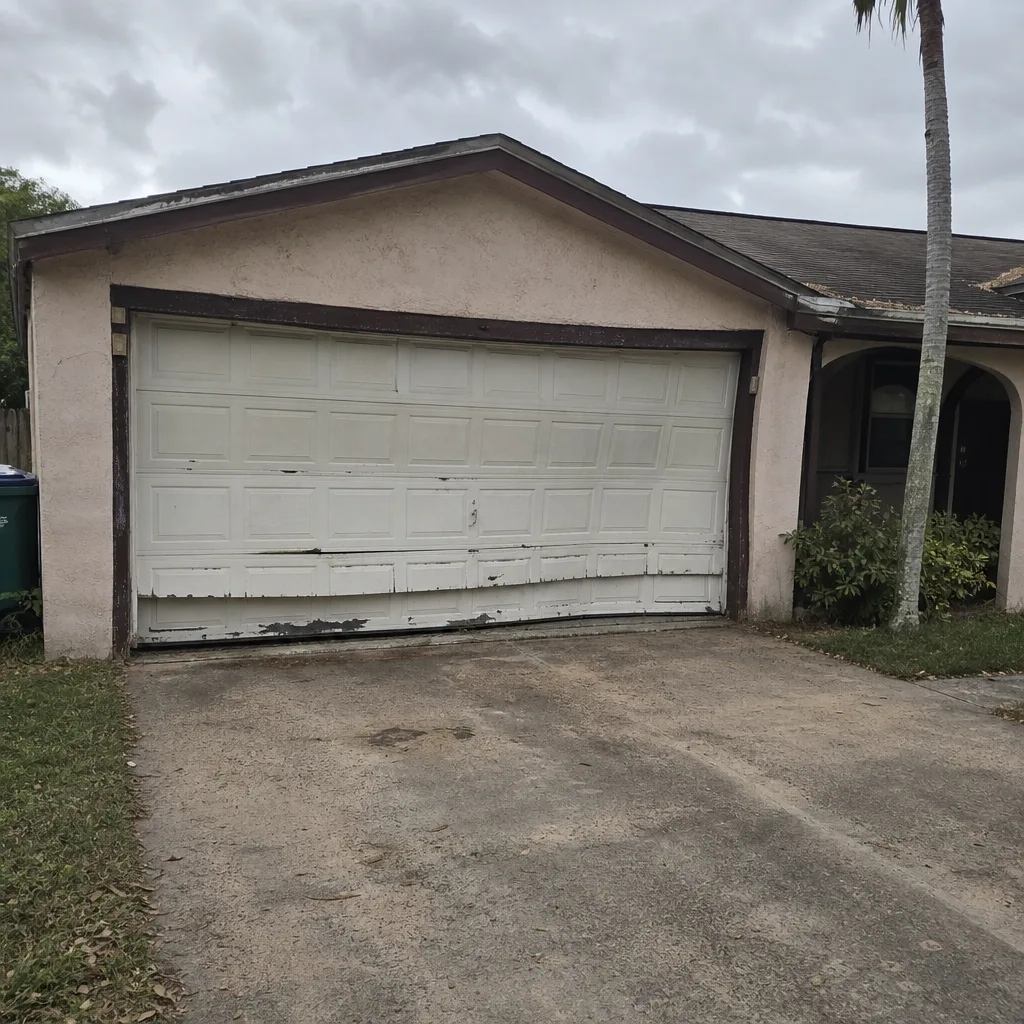 Before
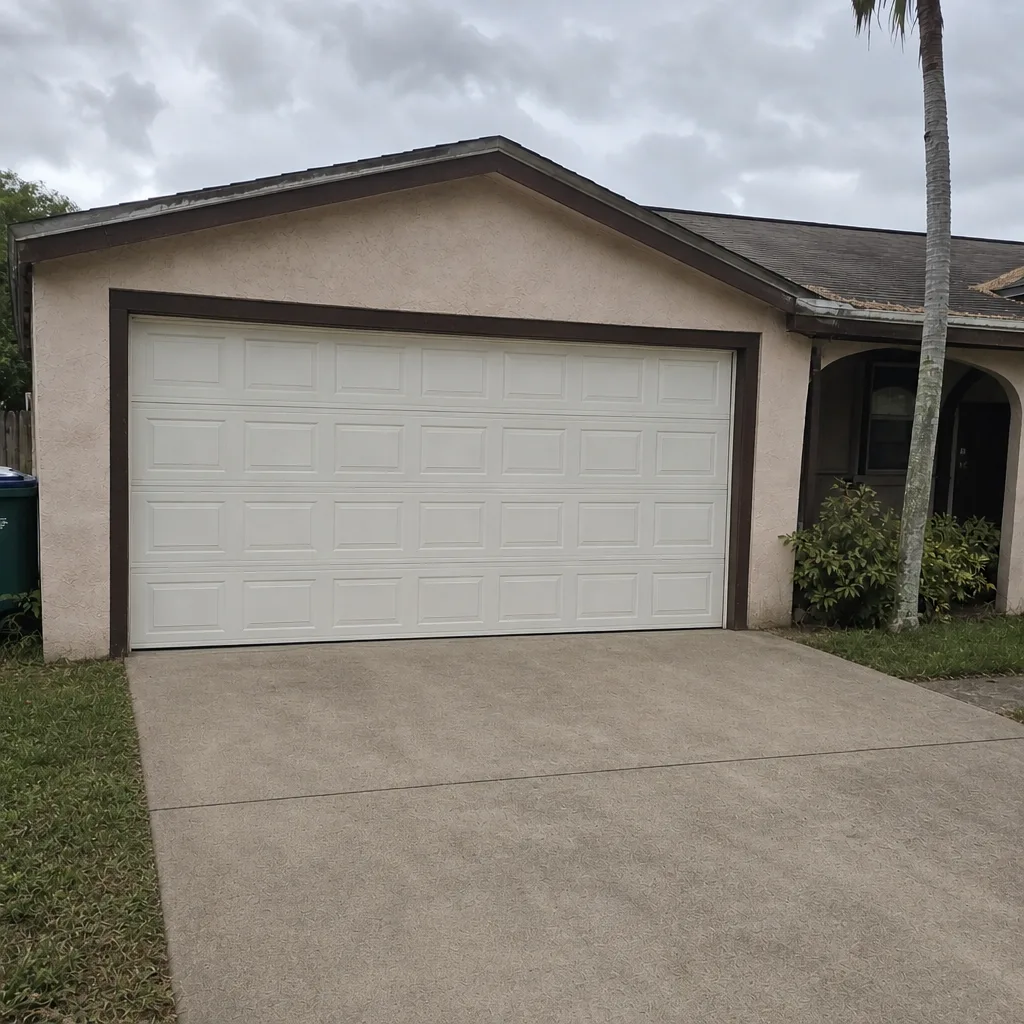 After
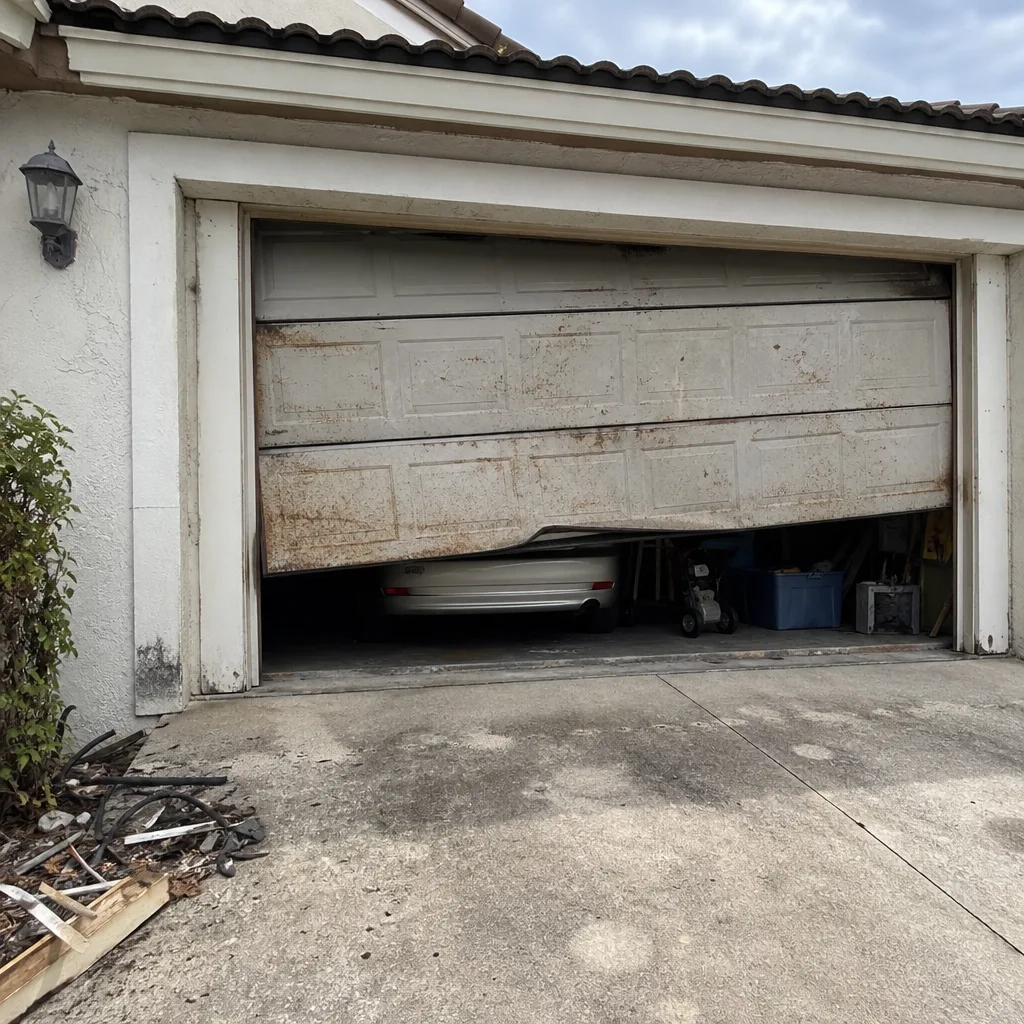 Before
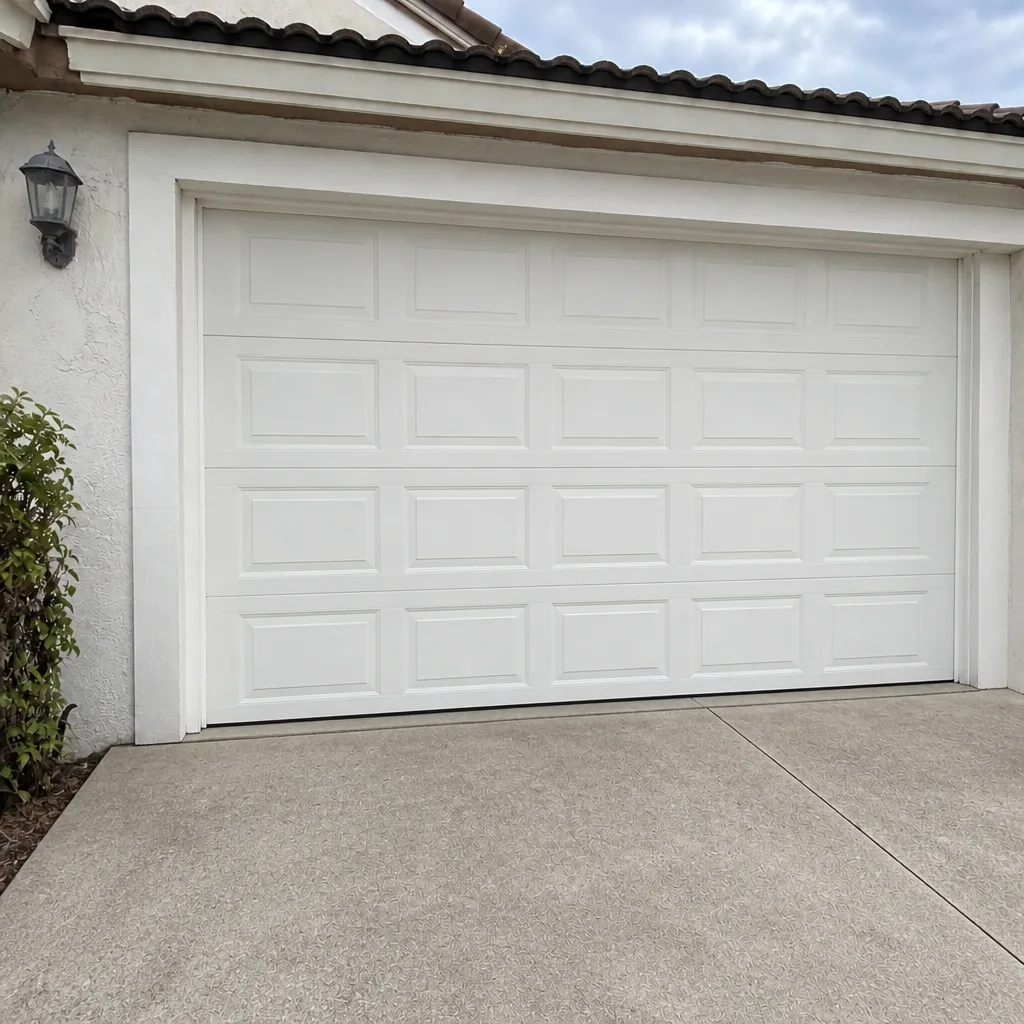 After
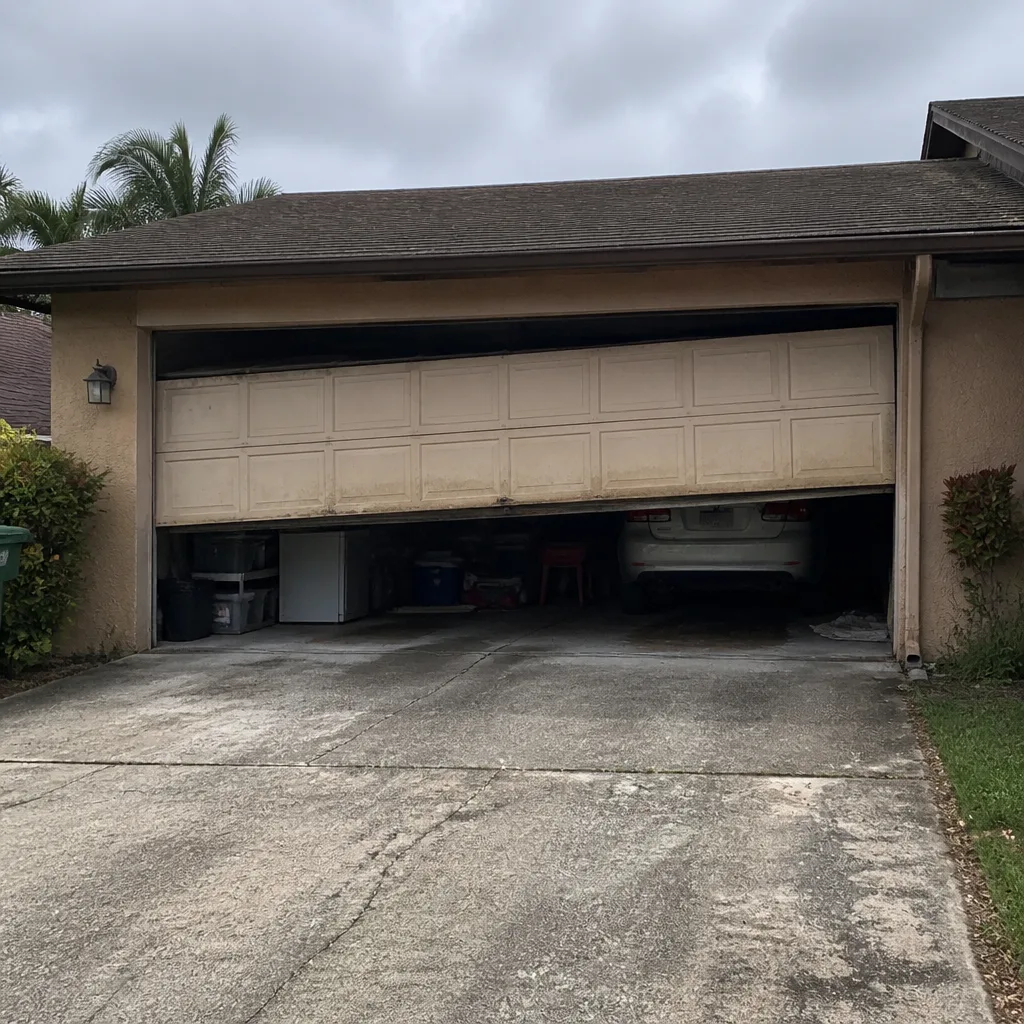 Before
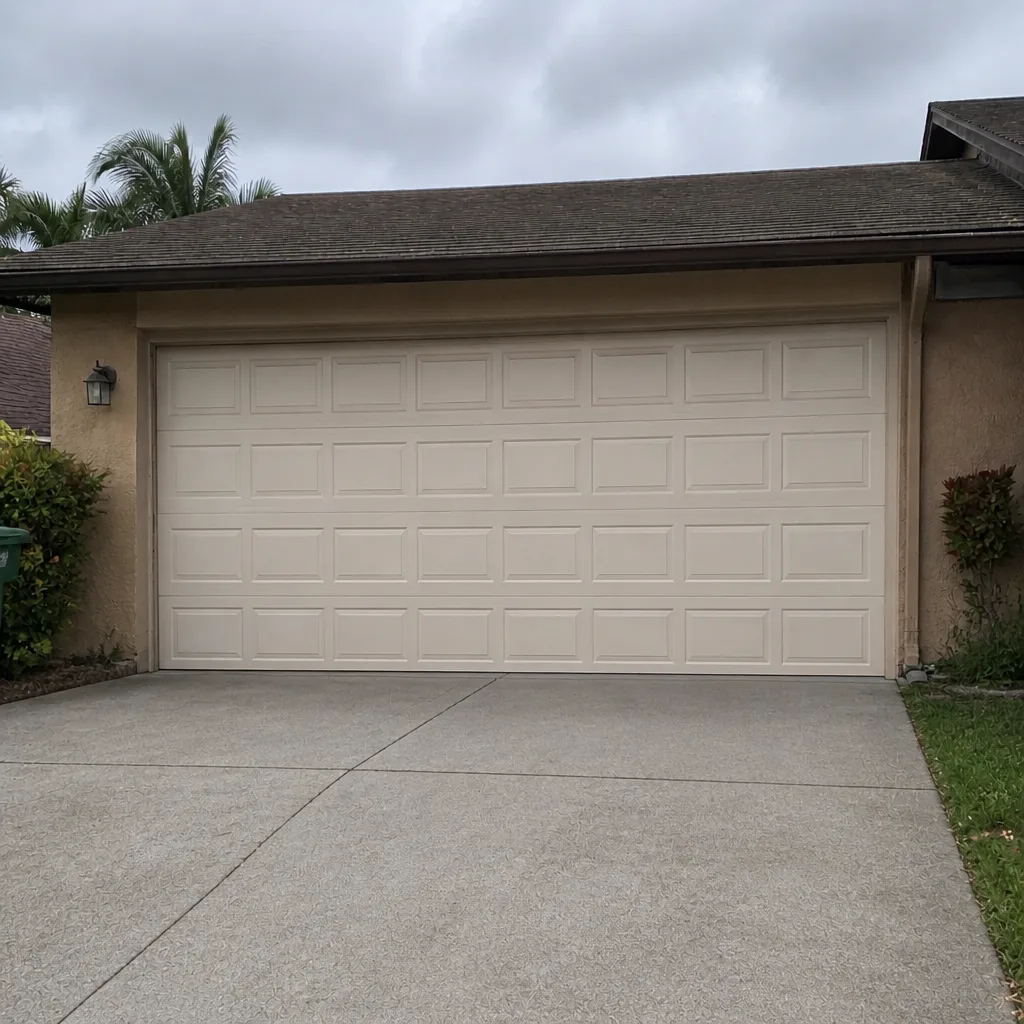 After
When to Call a Professional
Some garage door jobs are genuinely dangerous and some are simply not worth doing yourself. Torsion spring replacement is the first category: the springs are under high tension, and an untrained adjustment can cause serious injury. We handle spring work with trained technicians for that reason. Cables, bottom brackets and anything that involves releasing tension belong in the same bucket. The other category is anything touching the door’s structure or its approval: a full replacement, a size change, anchoring corrections, or bringing an unpermitted installation into compliance. Those need a licensed contractor and a clean permit trail.
Pembroke Pines Garage Door Repair Pros offers free estimates in Pembroke Pines. Call (844) 793-5158 to talk through your situation.
Frequently Asked Questions
Yes. A garage door replacement in Pembroke Pines generally requires a permit because the door is a rated wind-load component of the building envelope, and the permit application documents the door’s Florida Product Approval number and anchoring method. The permit is pulled before work starts, and a final inspection confirms compliance. Call (844) 793-5158 if you’d like to walk through your specific address.
No. Replacing or repairing an opener, including Chamberlain or Genie units and their accessories, is normally permit-exempt because the opener isn’t part of the wind-load envelope. The door’s structural approval is unaffected. It’s still worth verifying that the opener is set up for your door’s actual weight and travel, which is part of what we check on an opener visit. Call (844) 793-5158 for a quote.
It varies with the city’s current review volume and with how complete your application is, so we won’t quote you a fixed number of days. What we can say is that applications with the door model and FPA number confirmed up front move faster than ones amended mid-process. The inspection itself is scheduled separately after installation. Call (844) 793-5158 and we’ll explain what your application needs.
The unpermitted installation shows up when the buyer’s agent requests permit history, and it typically becomes a negotiation item or a closing condition. The fix is an after-the-fact permit with documentation of the existing door, or anchoring corrections if the installation isn’t compliant. In some cases the door has to be replaced because it has no valid approval for the opening. Call (844) 793-5158 for an assessment before you list.
No, provided the scope hasn’t changed. We quote the price and you agree it before any work starts, and the written estimate is the price for that scope. What can change the number is discovering something the estimate didn’t cover, like an unpermitted installation that needs remediation. In that case you get a revised quote before anything proceeds, not a surprise invoice. Call (844) 793-5158 for a free estimate.
We connect you with independent local professionals who are licensed and insured as the state requires for the work they perform, which matters on a permit job because the permit ties to a licensed contractor’s signature. Our technicians have up to 15 years of experience and are familiar with the major door and opener brands in residential use. Call (844) 793-5158 to get started.
The Bottom Line
The garage door permit in Pembroke Pines is the document that ties your door to Florida’s wind-load standards, and it belongs to the property. Pull it before the work, match the installed model to a valid Florida Product Approval number, pass the inspection, and keep the closed record with your home paperwork. Get the HOA approval before the permit so the two records stay consistent. If you inherit an unpermitted door, remediation is a known process with a typical cost range and a clean outcome at the end of it. The short version: handle it now, before a buyer’s agent handles it for you.
For repair, spring work, opener service or a full replacement with the permitting handled properly, call Pembroke Pines Garage Door Repair Pros at (844) 793-5158 for a free estimate.
Written by the team at Pembroke Pines Garage Door Repair Pros.